




This feature is only available to premium members
Check out our COVID-19 Parent Relief Account
Select your Account Type
COVID-19 Parent Relief 60% OFF for 6 months I'm a Parent Add up to 6 children
Premium Account Required
Premium Account Required

When writing a story it is important to keep the reader interested in what they are reading. This worksheet helps students write sentences using interesting adjectives. They must write two sentences for each word.

If your students tend to leave out apostrophes, ask them to check every word that ends in 's' or 'es' to see if it needs an apostrophe. Students write an apostrophe in the correct place and place them in the correct jar.

A compound word is created when two smaller words are combined to make a new word. Students read through the sentences and underline the compound words.

Homophones are words that sound the same but have different meanings and spellings. Choose the correct word in brackets to complete each sentence.

Homophones are words that sound the same but have different meanings and spellings. Choose the correct word in brackets to complete each sentence.

Homophones are words that sound the same but have different meanings and spellings. Students must choose the correct word for each meaning.

A conjunction is a word that connects clauses or sentences or coordinates words in the same clause e.g. and, but, if. Students read the sentences and write the correct conjunction to complete each sentence.

Idioms are word combinations that can't be figured out by looking up the words in the dictionary. For example 'It's raining cats and dogs' means it is raining really hard. This might be confusing to people who are just learning the language! Students match the idioms to their correct meanings by colouring them the same colour.

Metaphors don’t mean exactly what the words say, e.g. My teacher is a dragon. Students read the metaphors and explain what each metaphorical expression means.

Proverbs usually contain words of wisdom and are generally known by many people. Students draw a line to match the beginnings to the endings of the proverbs. Do you know what each proverb means?

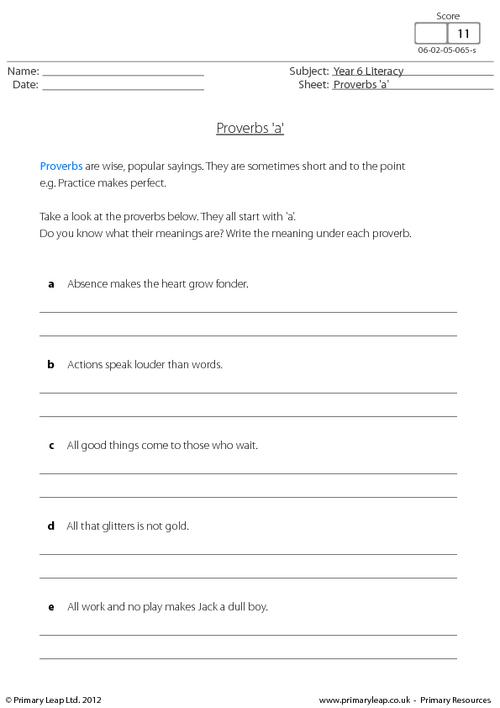
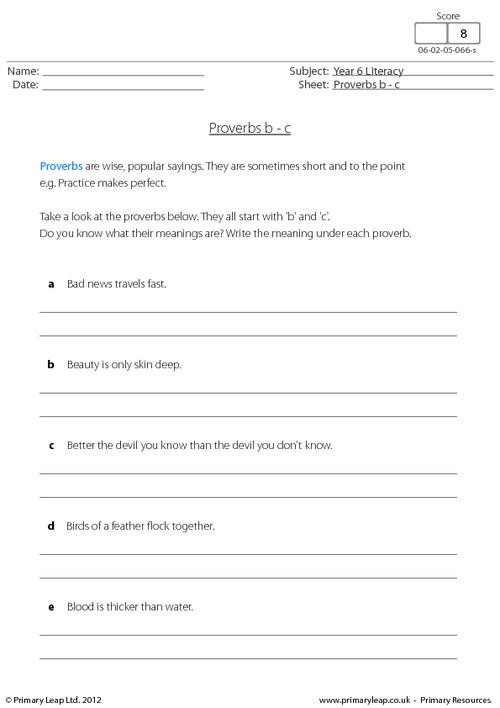
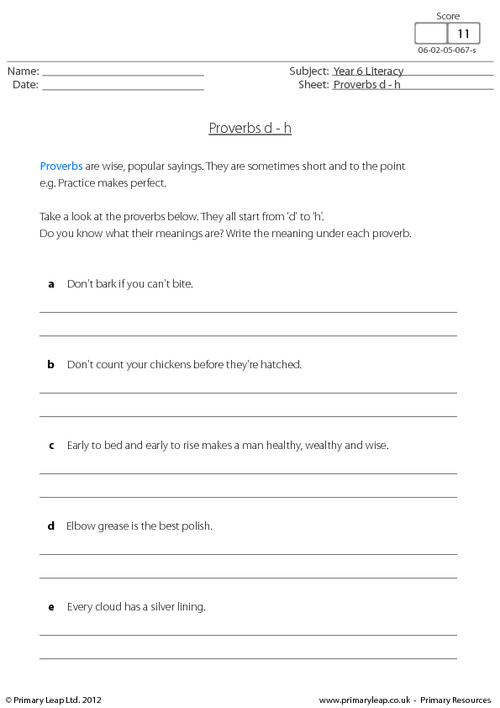
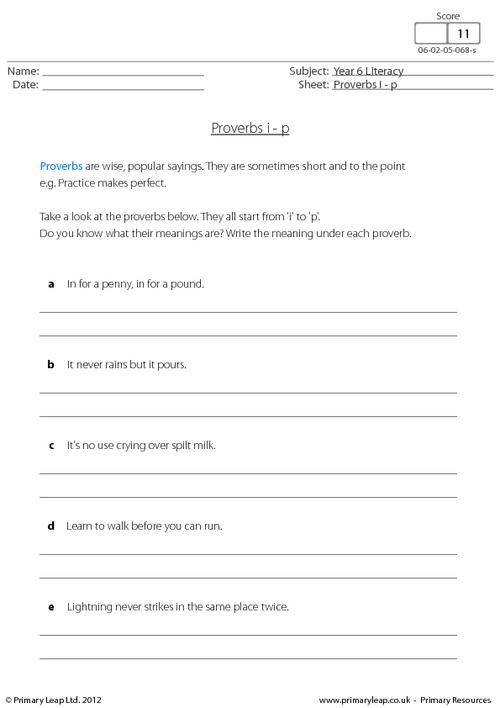
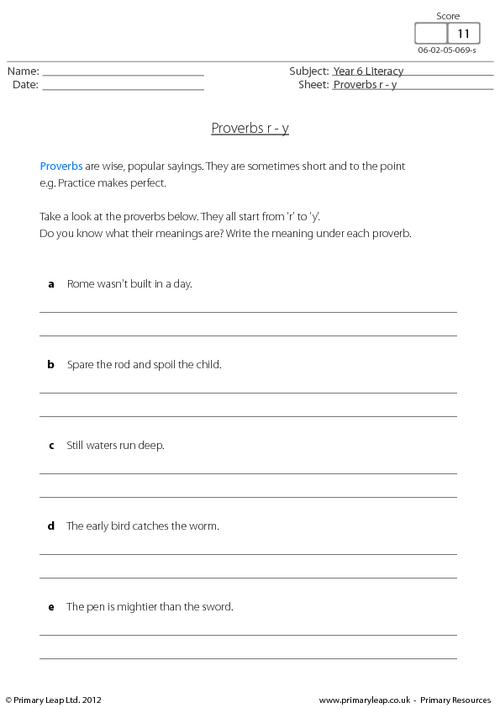
Proverbs usually contain words of wisdom and are generally known by many people. Students read the proverbs and write what they think each proverb means.

It is important to know the basic facts about writing a sentence. Does the sentence need a capital letter, full stop, exclamation, or question mark? These questions are all about sentences.

Speech marks are used to show that someone is speaking. They go around the words being said. Students rewrite the sentences putting in the speech marks.

Year 6 English - Some of the words in these sentences have been misspelled. Students must read the sentences and rewrite each one correctly.
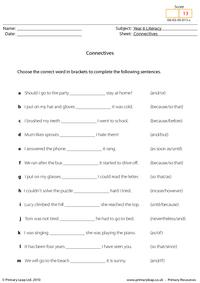
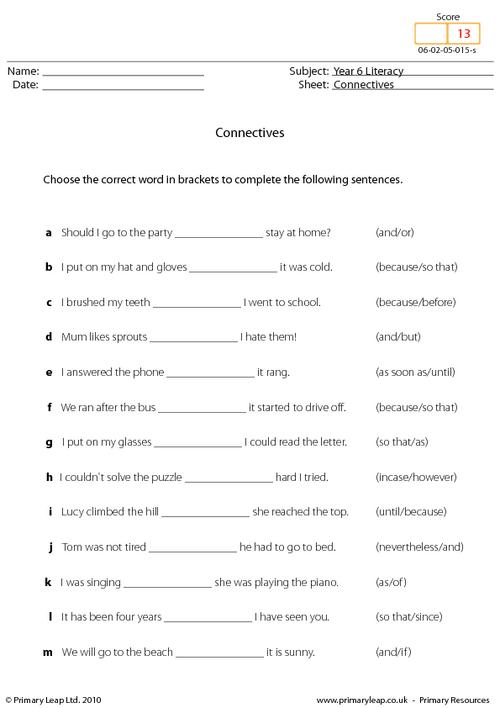
Connectives are used to link one sentence to another or to extend a sentence. Students choose the correct word in brackets to complete the sentences.
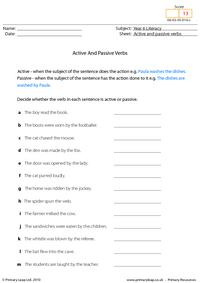
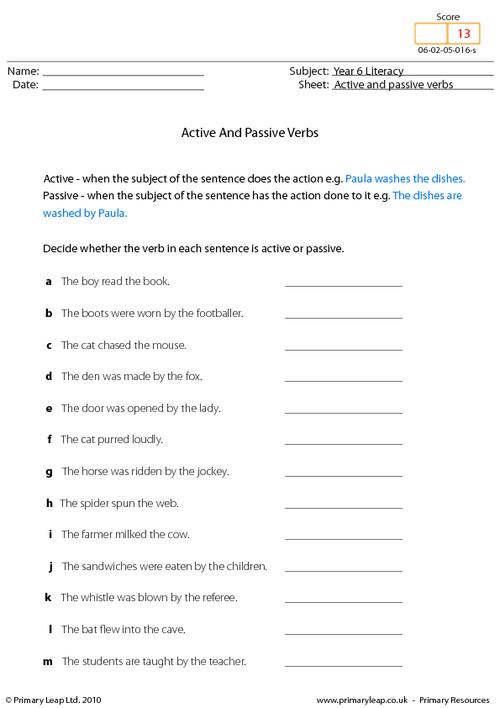
An active verb is when the subject of the sentence does the action e.g. Paula washes the dishes. A passive verb is when the subject of the sentence has the action done to it e.g. The dishes are washed by Paula. Students decide whether the verb in each sentence is active or passive.
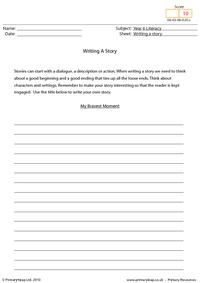
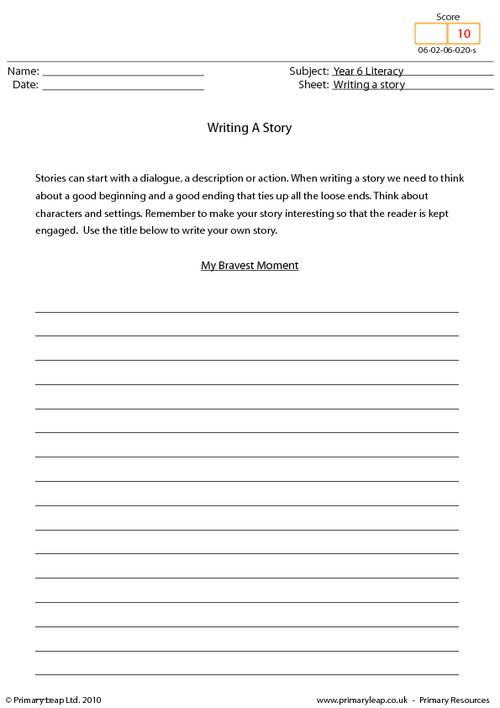
This page includes lines for students to write on and the title 'My Bravest Moment'. Students must use this title to write their own story. Remember to keep your story interesting so that the reader is kept engaged.
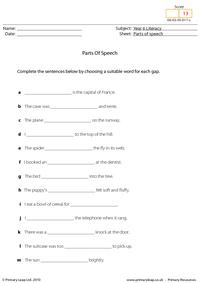
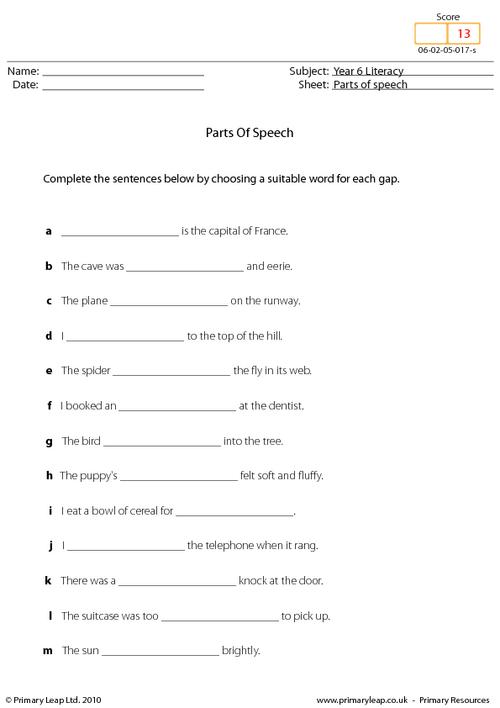
Year 6 English - Students complete the sentences by choosing a suitable word for each gap.
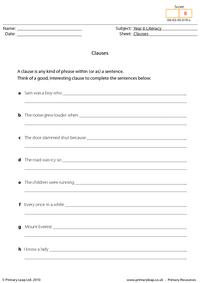
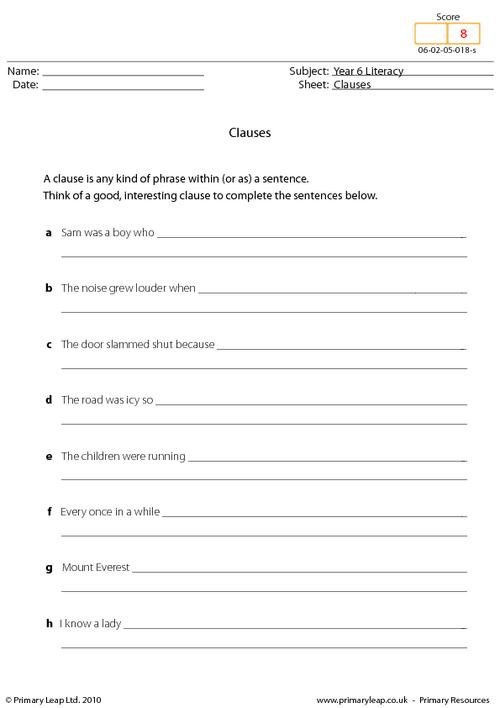
A clause may form part of a sentence or it may be a complete sentence in itself. Students think of an interesting clause to complete each sentence.
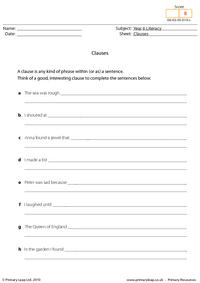
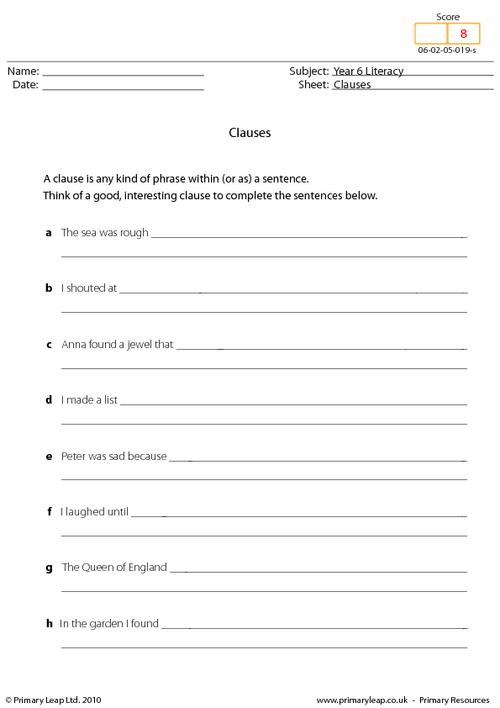
A clause may form part of a sentence or it may be a complete sentence in itself. Students think of an interesting clause to complete each sentence. This will help with creative writing skills.
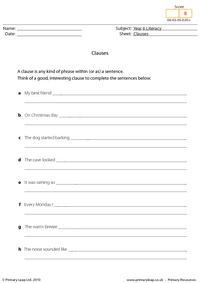
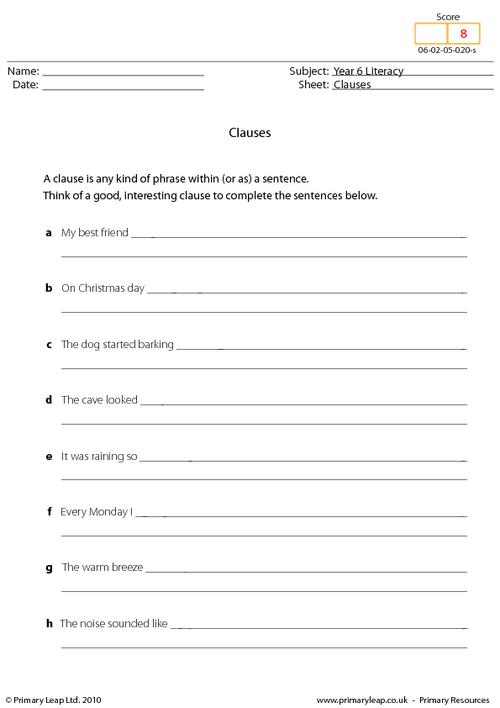
A clause may form part of a sentence or it may be a complete sentence in itself. Students think of an interesting clause to complete each sentence. This will also help with story writing.
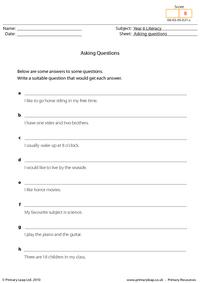
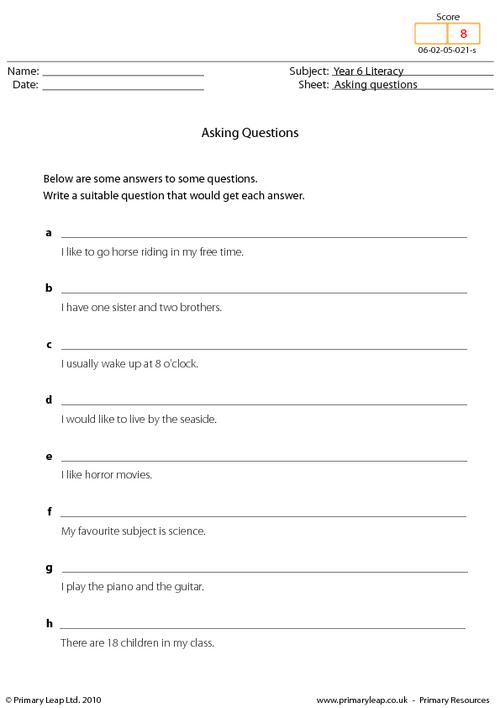
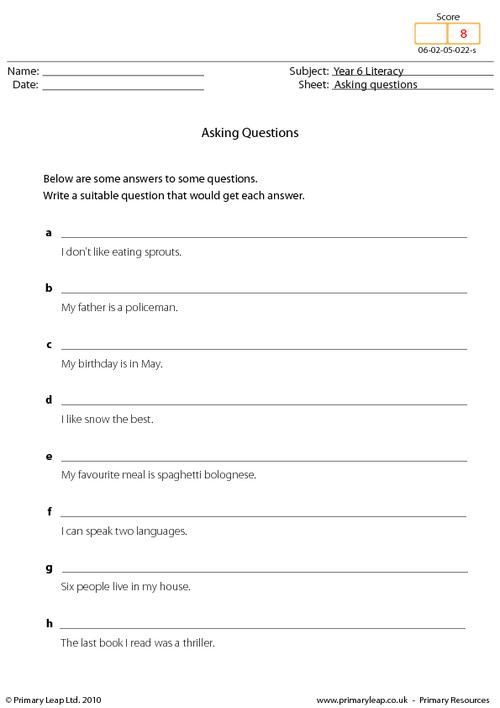
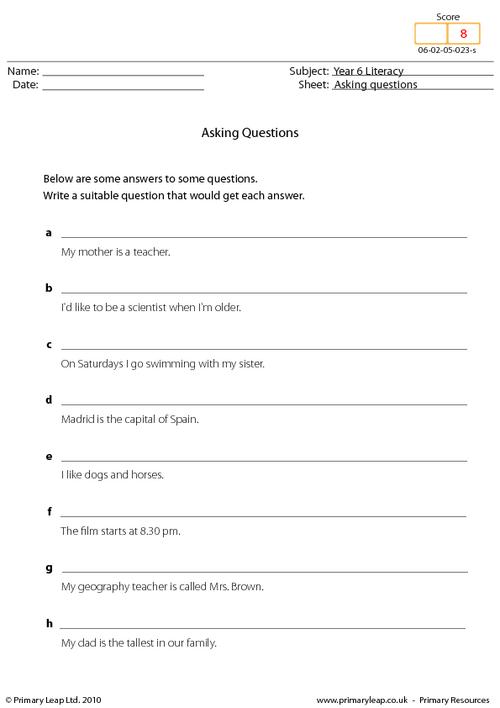
This worksheet includes 8 answers but no questions. Students must look at the answers and write a suitable question to go with the answer.
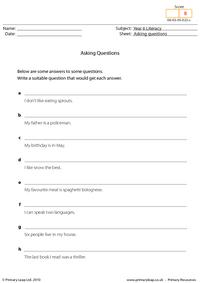
This worksheet includes 8 answers but no questions. Students must look at the answers and write a suitable question to go with the answer.
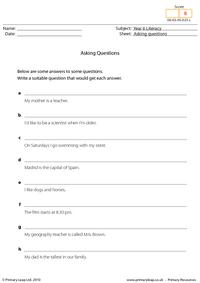
This worksheet includes 8 answers but no questions. Students must look at the answers and write a suitable question to go with the answer.
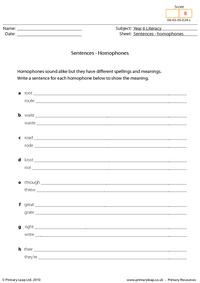
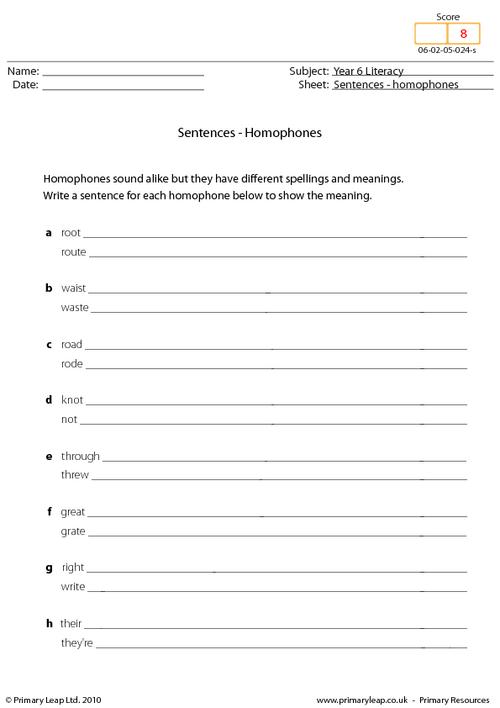
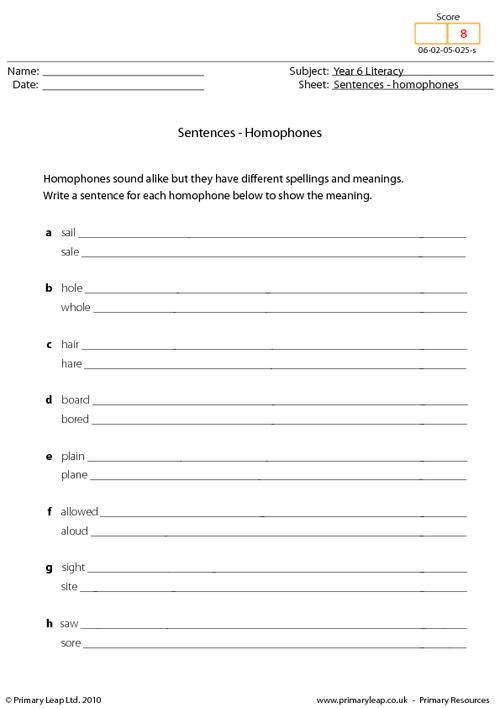
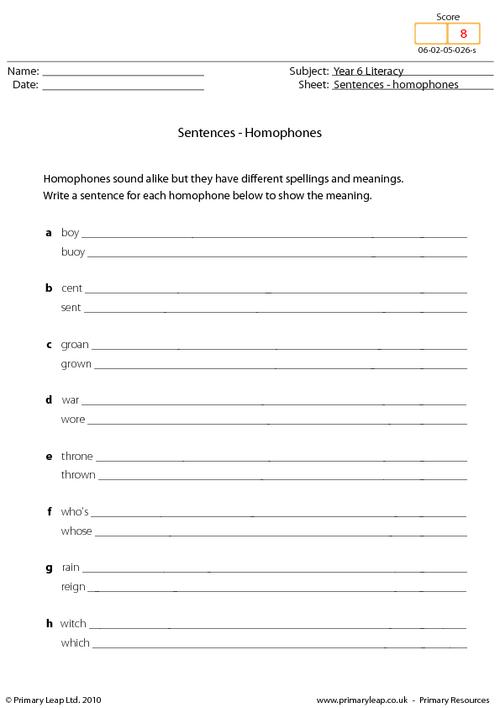
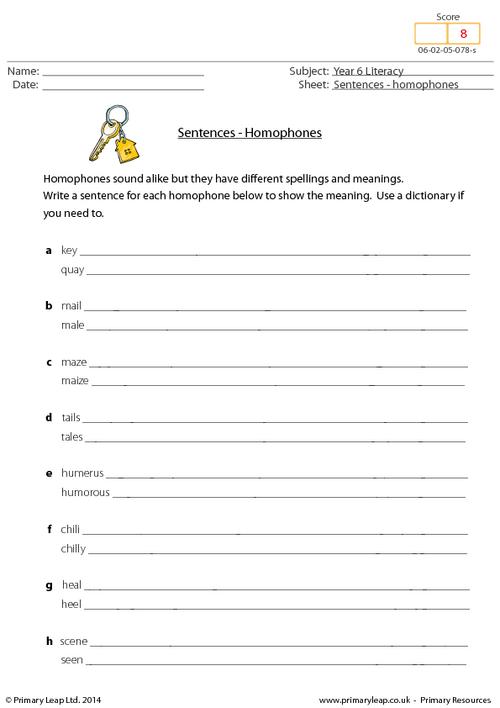
Homophones are words that sound the same but they have different spellings and different meanings. Check if your students know the meaning of each of these words. This worksheet includes eight homophones with different spellings.
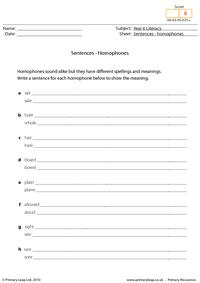
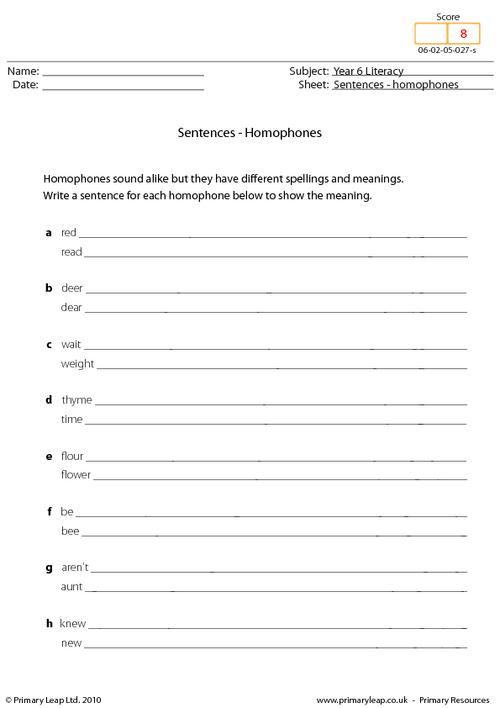
Homophones are words that sound the same but they have different spellings and different meanings. Check if your students know the meaning of each of these words. This worksheet includes eight homophones with different spellings.
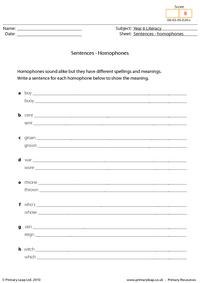
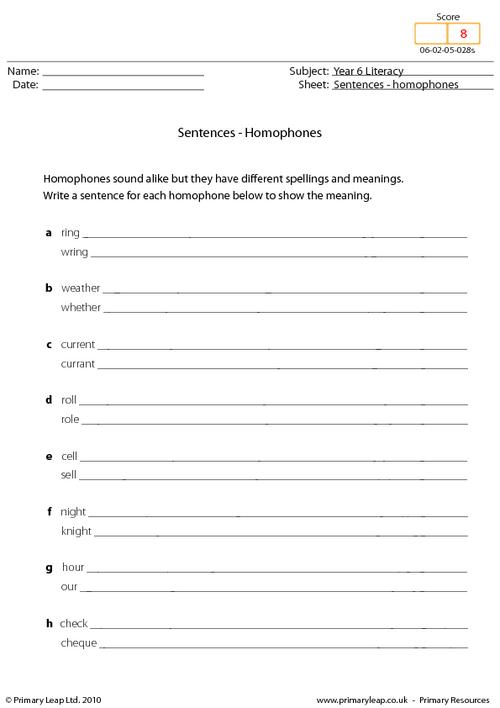
Homophones are words that sound the same but they have different spellings and different meanings. Check if your students know the meaning of each of these words. This worksheet includes eight homophones with different spellings.
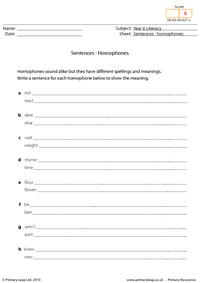
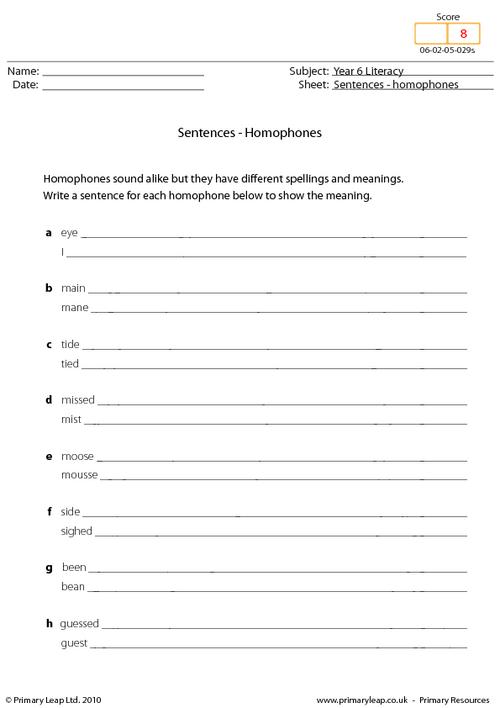
Homophones are words that sound the same but they have different spellings and different meanings. Check if your students know the meaning of each of these words. This worksheet includes eight homophones with different spellings.
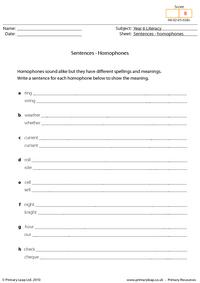
Homophones are words that sound the same but they have different spellings and different meanings. Check if your students know the meaning of each of these words. This worksheet includes eight homophones with different spellings.
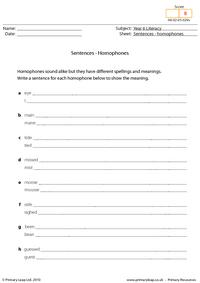
Homophones are words that sound the same but they have different spellings and different meanings. Check if your students know the meaning of each of these words. This worksheet includes eight homophones with different spellings.
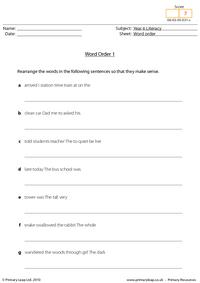
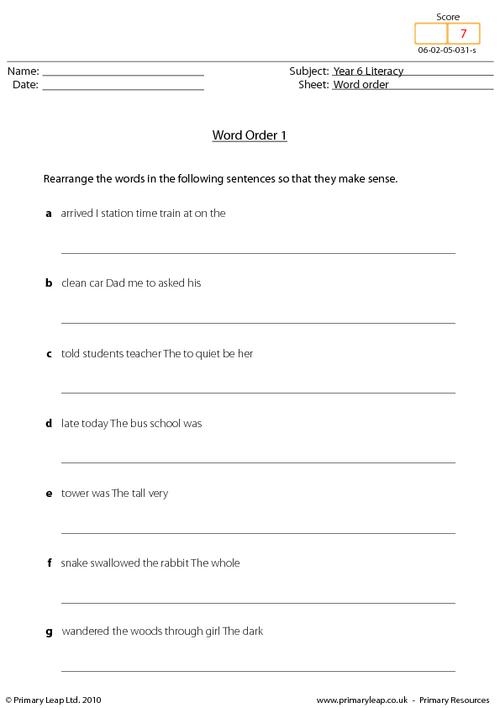
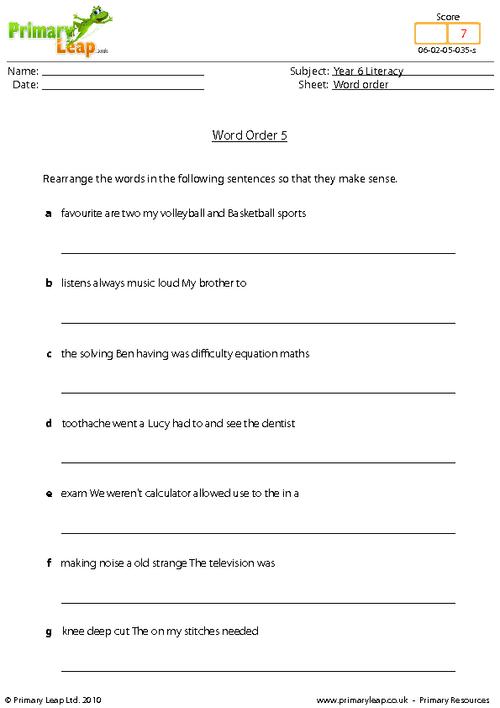
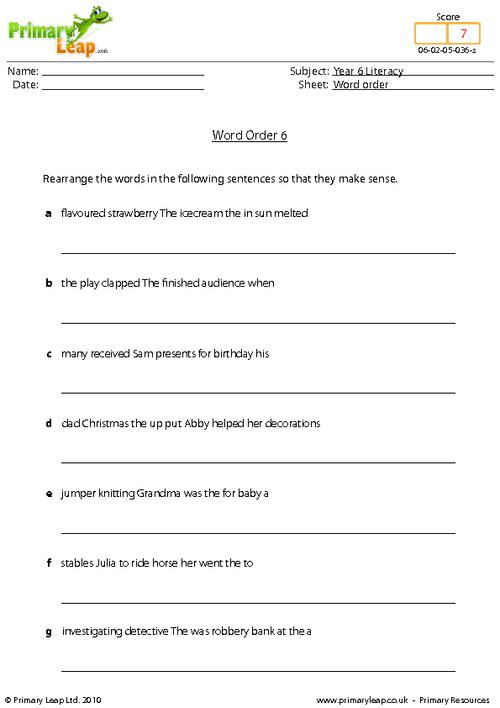
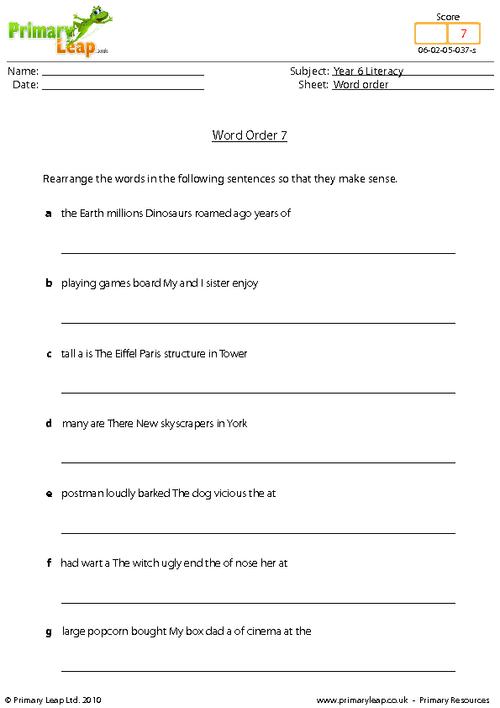
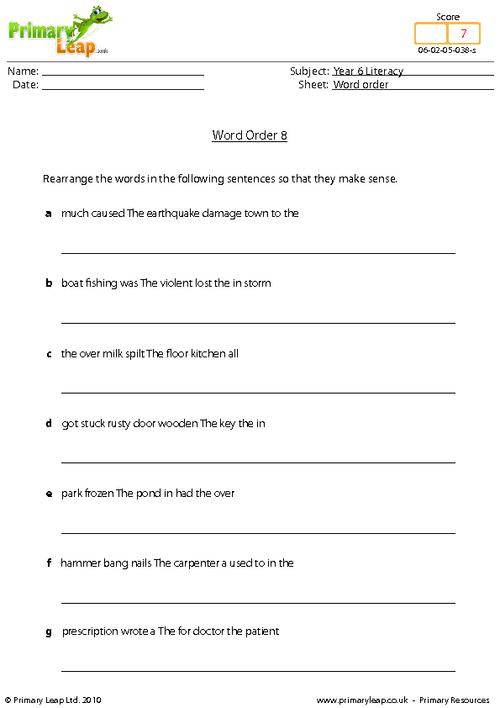
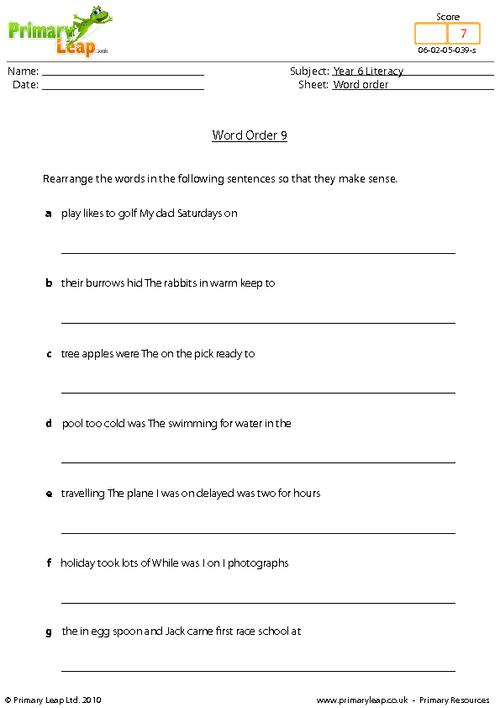
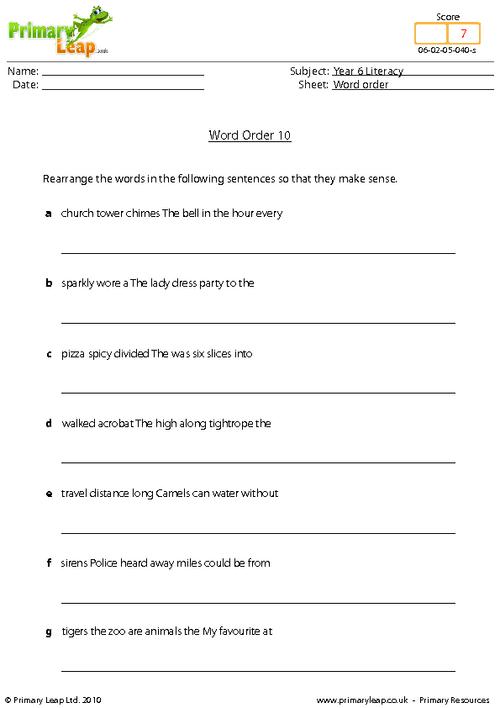
This worksheet includes seven sentences that have been muddled up. Students must rearrange the sentences so that they make sense.
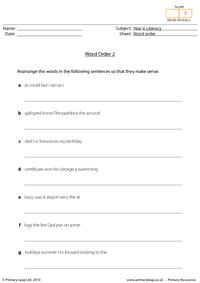
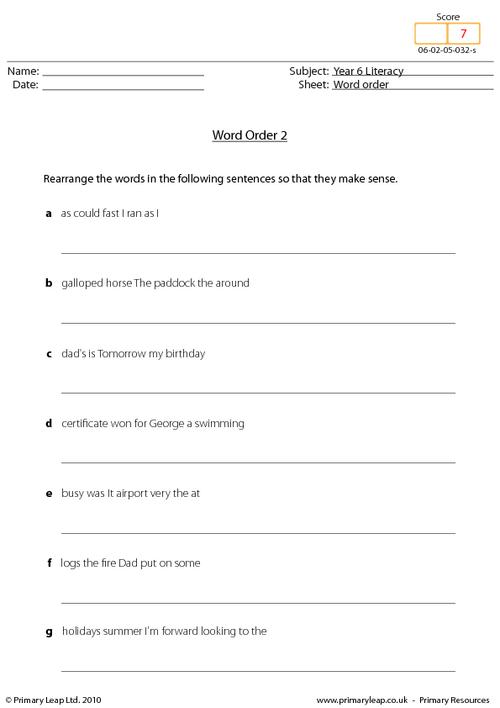
This worksheet includes seven sentences that have been muddled up. Students must rearrange the sentences so that they make sense.
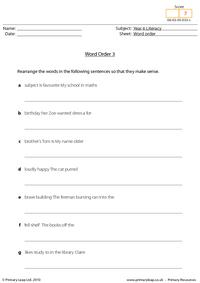
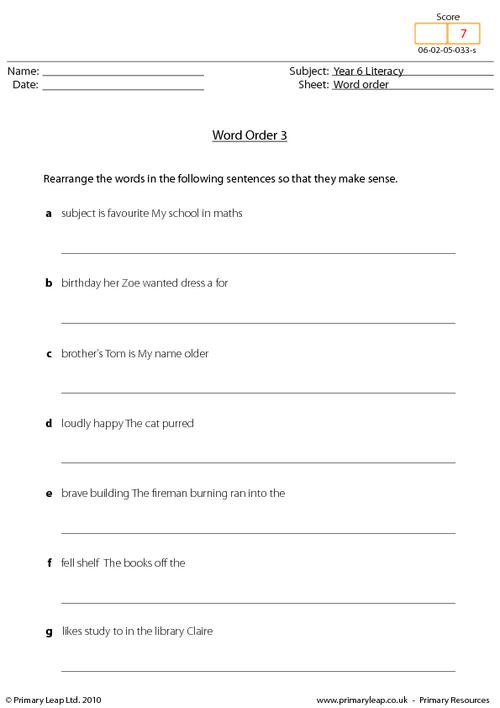
This worksheet includes seven sentences that have been muddled up. Students must rearrange the sentences so that they make sense.
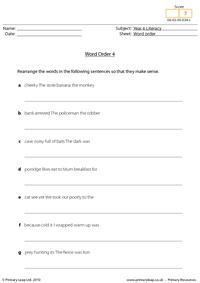
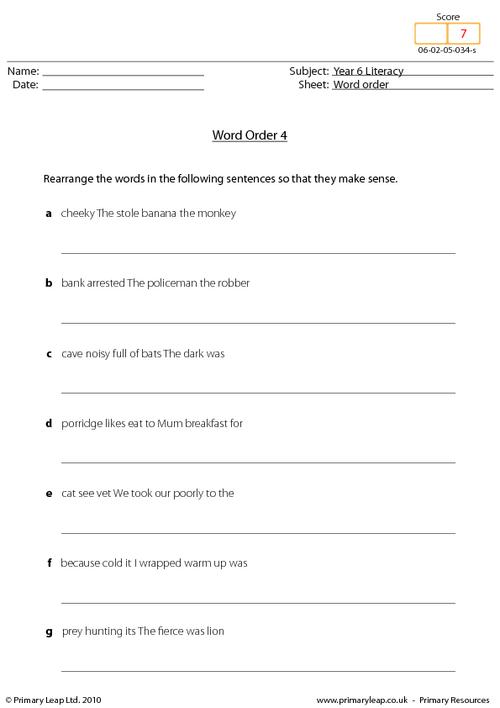
This worksheet includes seven sentences that have been muddled up. Students must rearrange the sentences so that they make sense.
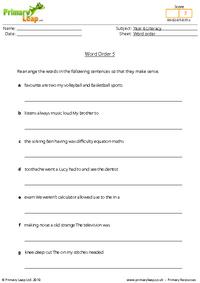
This worksheet includes seven sentences that have been muddled up. Students must rearrange the sentences so that they make sense.
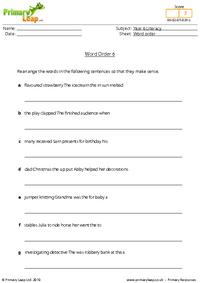
This worksheet includes seven sentences that have been muddled up. Students must rearrange the sentences so that they make sense.
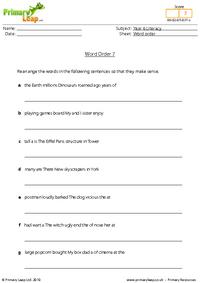
This worksheet includes seven sentences that have been muddled up. Students must rearrange the sentences so that they make sense.
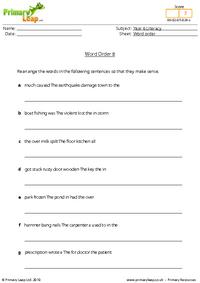
This worksheet includes seven sentences that have been muddled up. Students must rearrange the sentences so that they make sense.
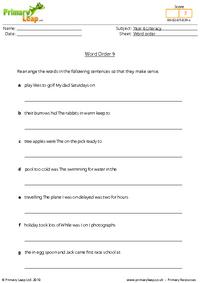
This worksheet includes seven sentences that have been muddled up. Students must rearrange the sentences so that they make sense.
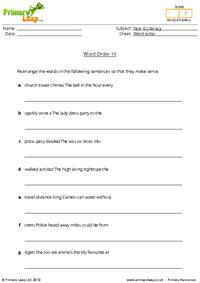
This worksheet includes seven sentences that have been muddled up. Students must rearrange the sentences so that they make sense.
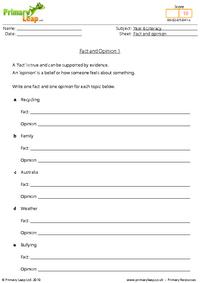
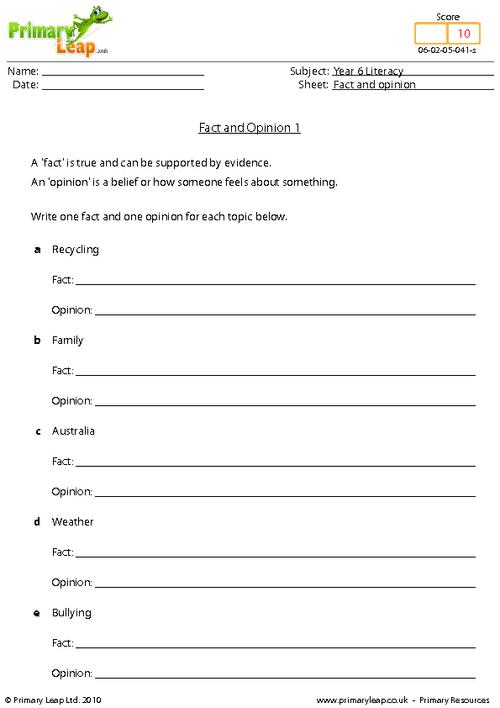
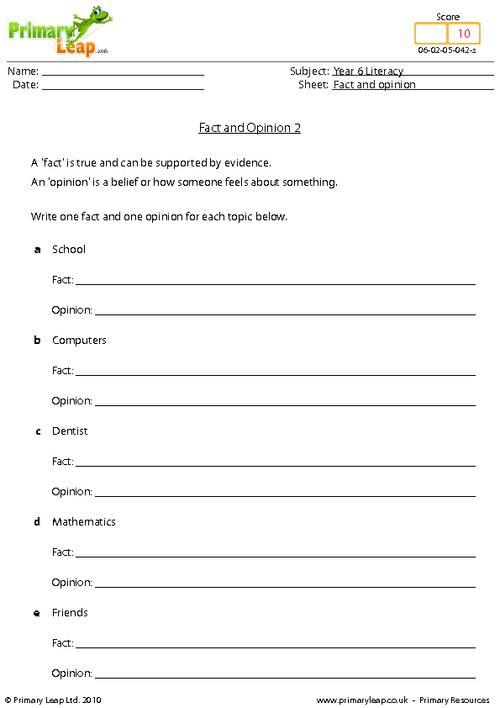
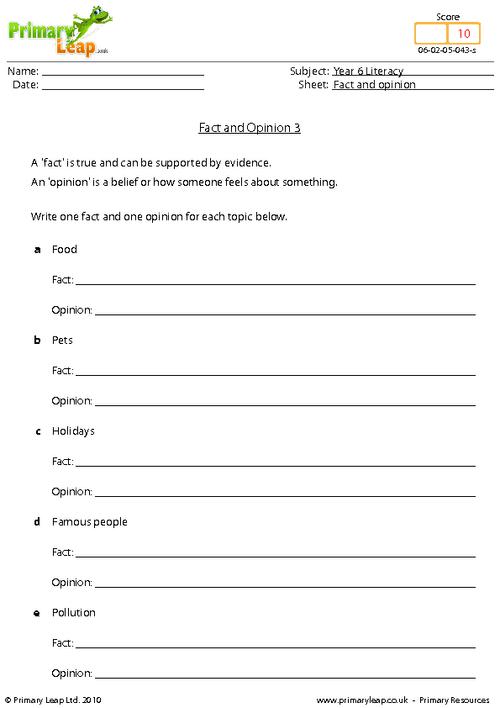
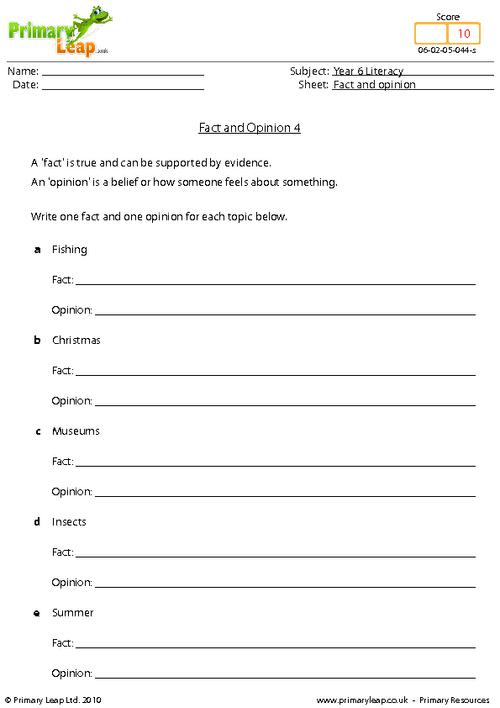
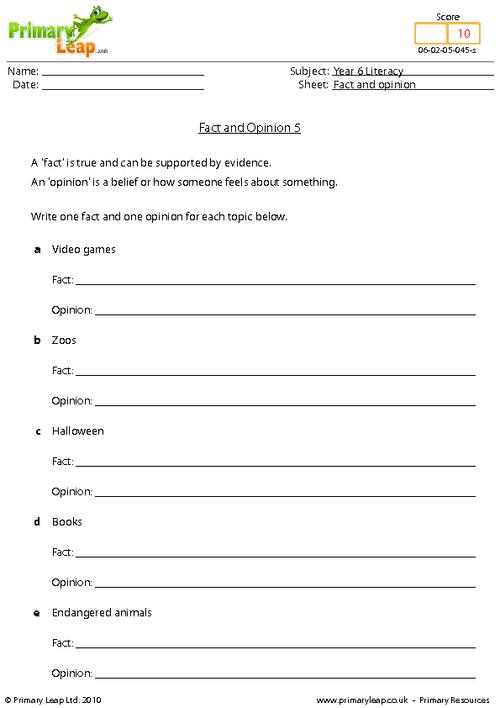
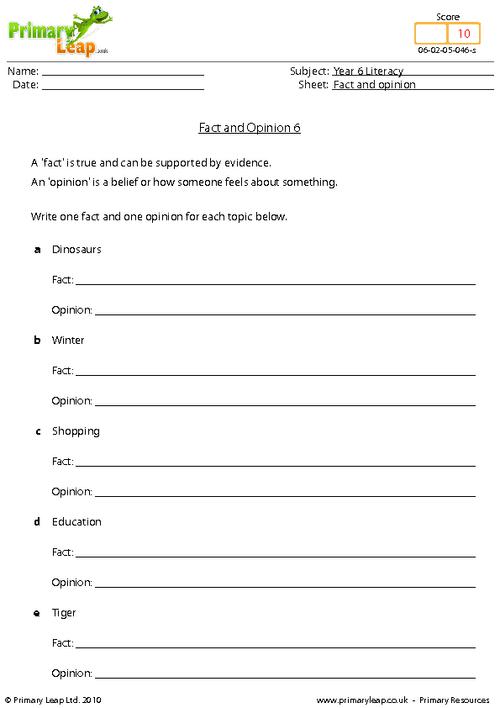
A fact is true and can be supported by evidence. An opinion is a belief or how someone feels about something. This page includes five different headings. Students must write one fact and one opinion for each topic.
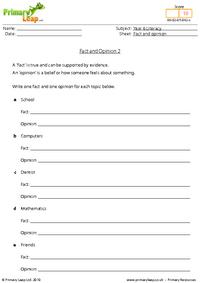
A fact is true and can be supported by evidence. An opinion is a belief or how someone feels about something. This page includes five different headings. Students must write one fact and one opinion for each topic.
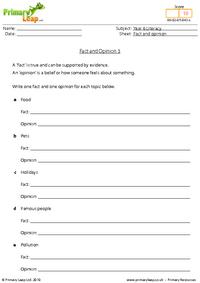
A fact is true and can be supported by evidence. An opinion is a belief or how someone feels about something. This page includes five different headings. Students must write one fact and one opinion for each topic.
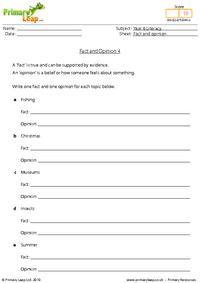
A fact is true and can be supported by evidence. An opinion is a belief or how someone feels about something. This page includes five different headings. Students must write one fact and one opinion for each topic.
A fact is true and can be supported by evidence. An opinion is a belief or how someone feels about something. This page includes five different headings. Students must write one fact and one opinion for each topic.
A fact is true and can be supported by evidence. An opinion is a belief or how someone feels about something. This page includes five different headings. Students must write one fact and one opinion for each topic.
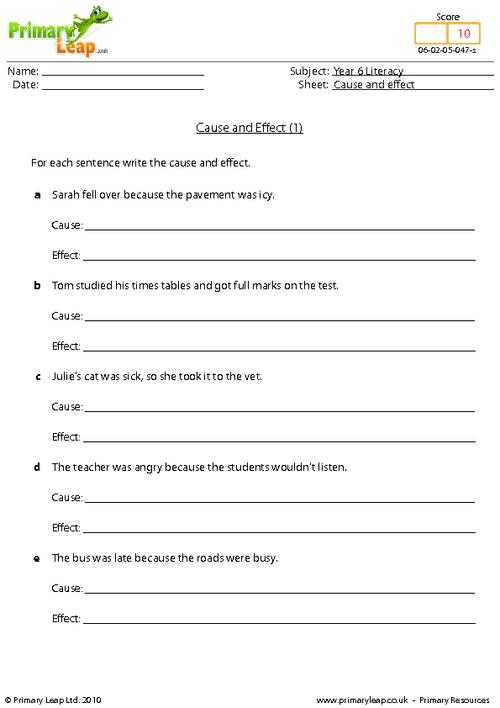
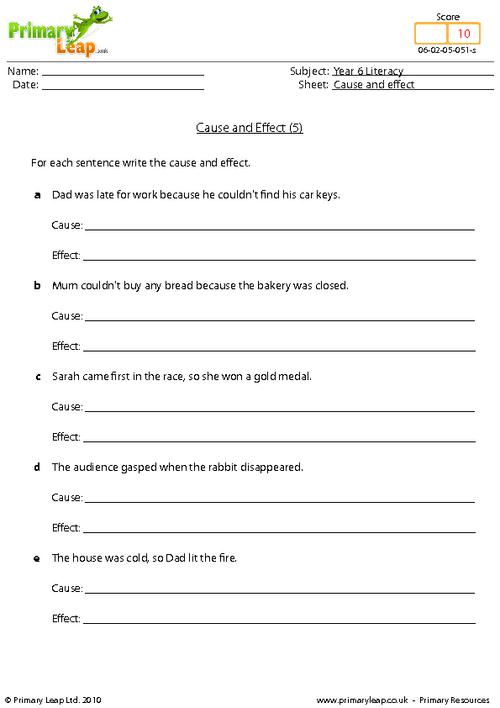
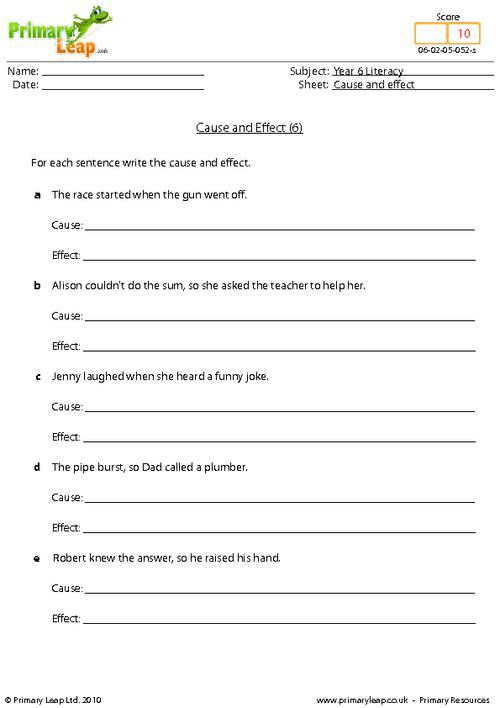
A cause is why something happens. An effect is what happens. Students read the sentences and write the cause and effect for each sentence.
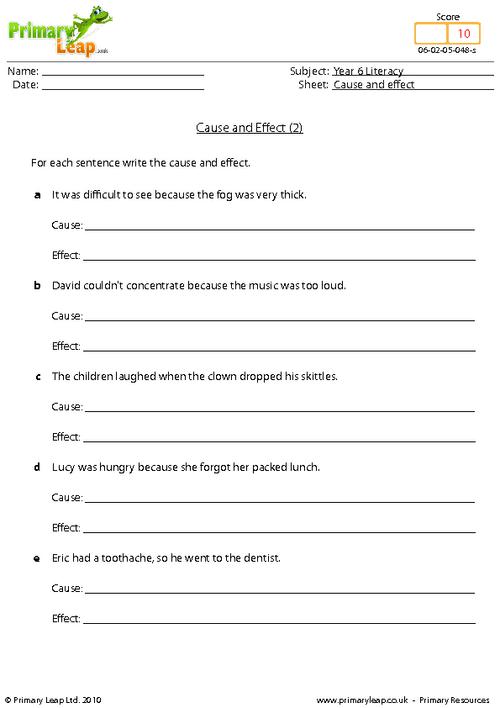
A cause is why something happens. An effect is what happens. Students read the sentences and write the cause and effect for each sentence.
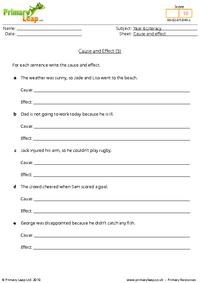
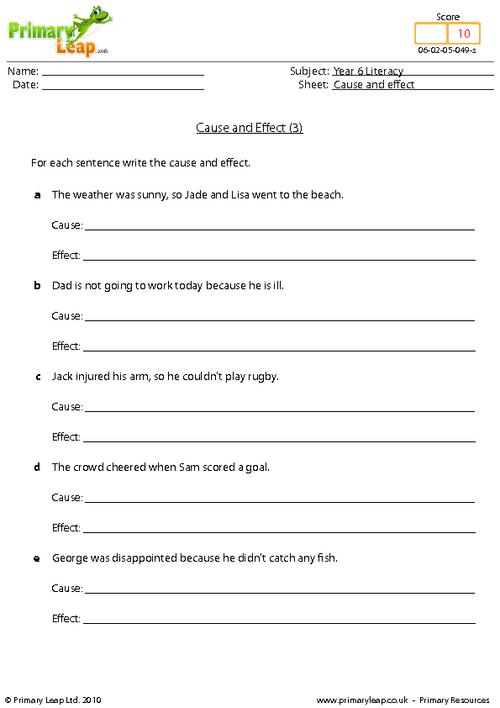
A cause is why something happens. An effect is what happens. Students read the sentences and write the cause and effect for each sentence.
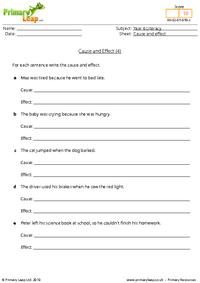
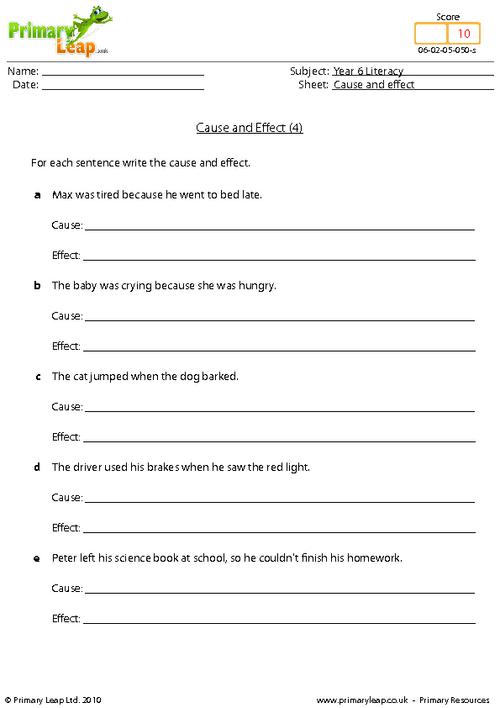
A cause is why something happens. An effect is what happens. Students read the sentences and write the cause and effect for each sentence.
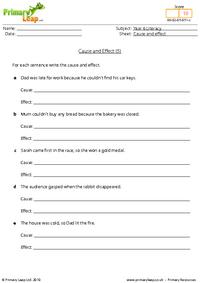
A cause is why something happens. An effect is what happens. Students read the sentences and write the cause and effect for each sentence.
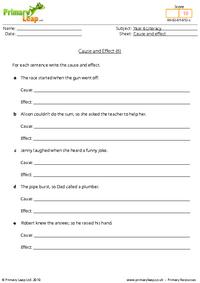
A cause is why something happens. An effect is what happens. Students read the sentences and write the cause and effect for each sentence.
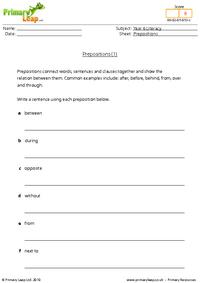
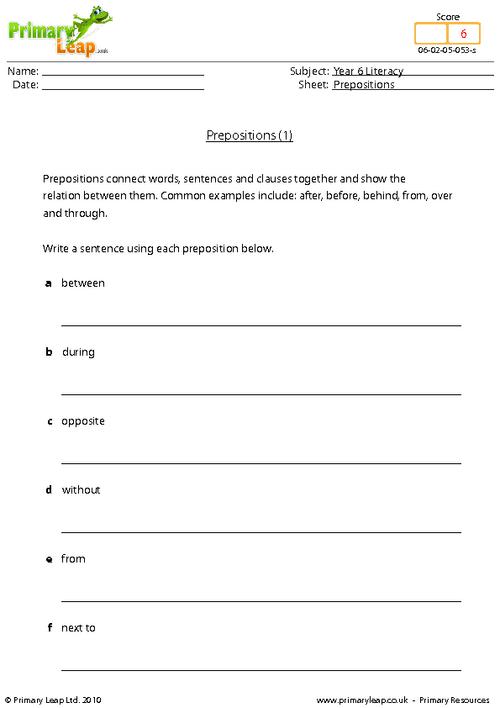
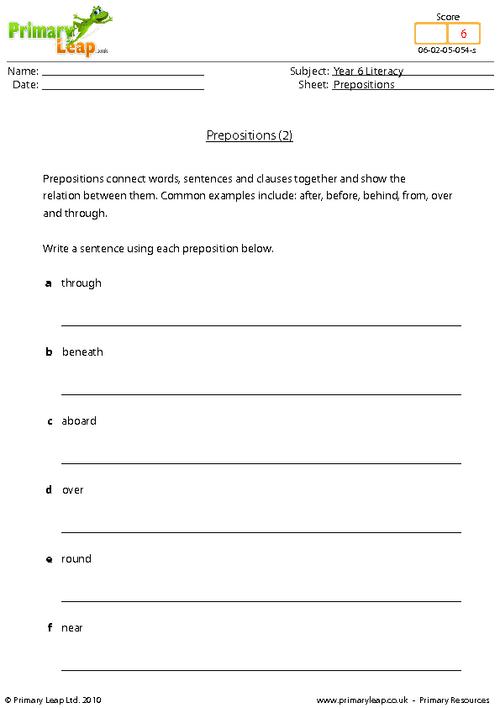
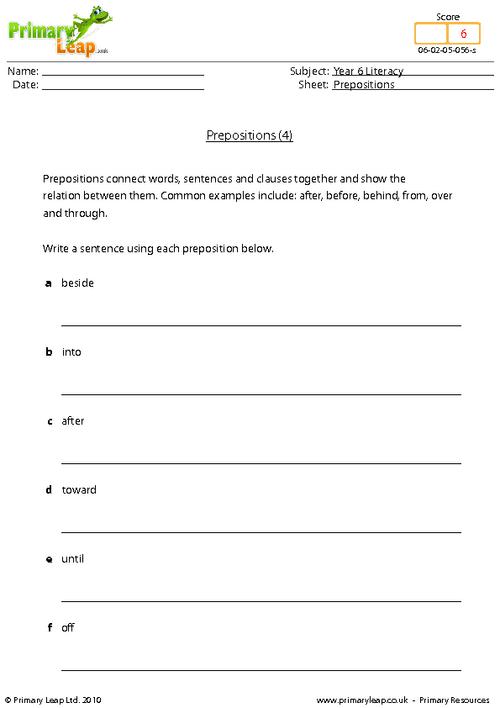
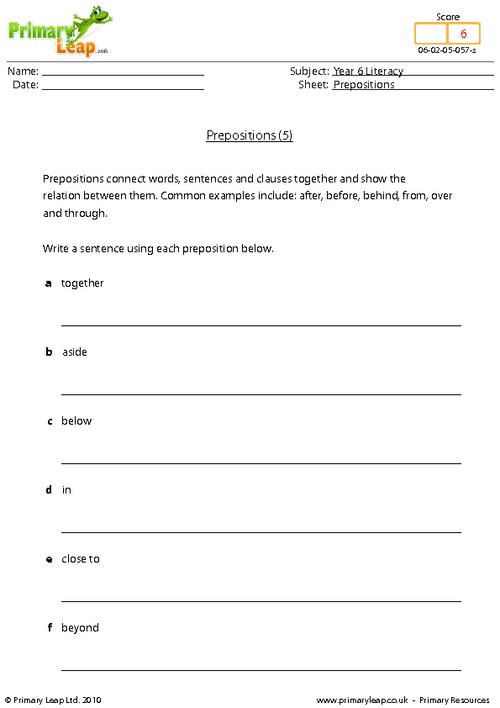
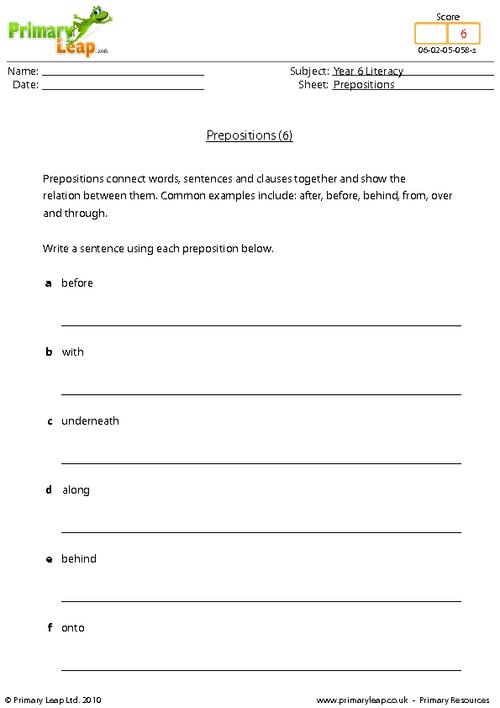
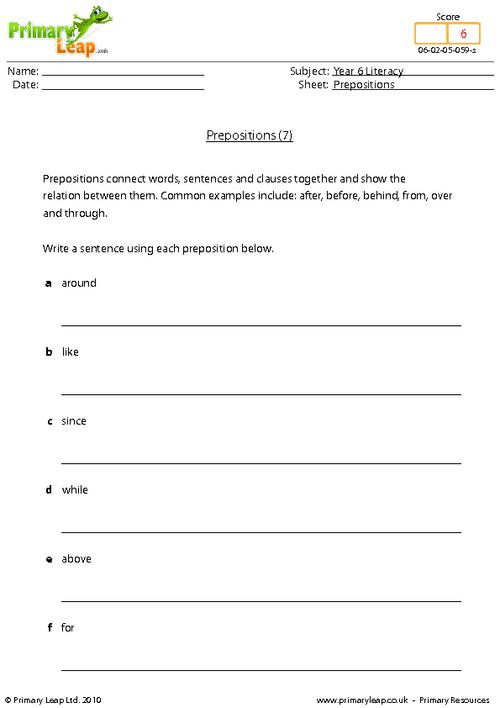
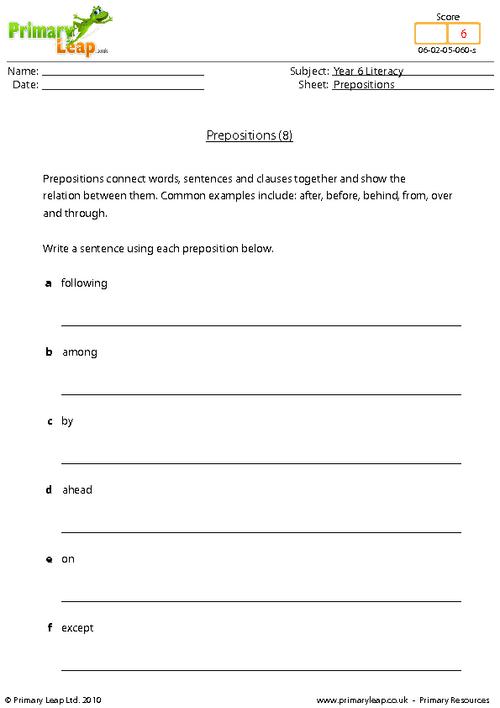
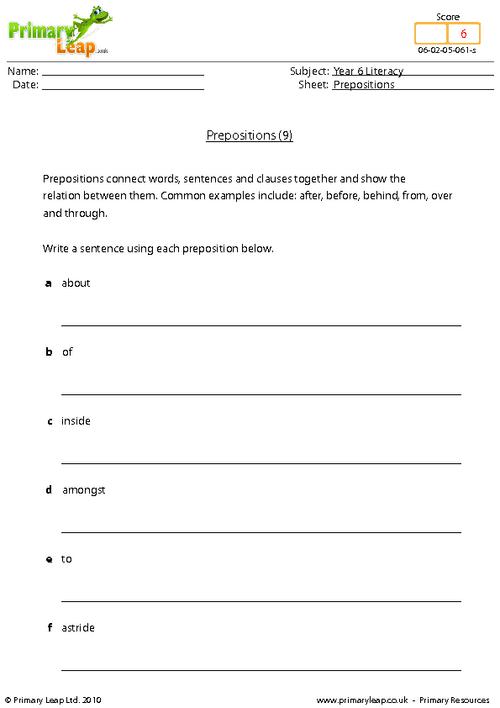
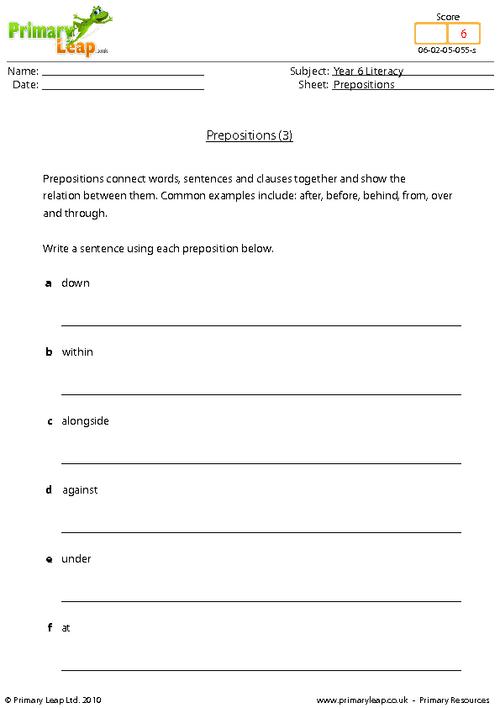
This worksheet includes six prepositions. Prepositions connect words, sentences, and clauses together and show the relation between them. Common examples include: after, before, behind, from, over, and through. Students must write a sentence using each proposition.
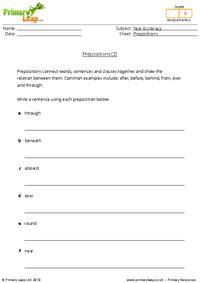
This worksheet includes six prepositions. Prepositions connect words, sentences, and clauses together and show the relation between them. Common examples include: after, before, behind, from, over, and through. Students must write a sentence using each proposition.
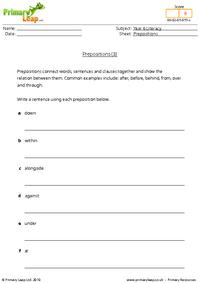
This worksheet includes six prepositions. Prepositions connect words, sentences, and clauses together and show the relation between them. Common examples include: after, before, behind, from, over, and through. Students must write a sentence using each proposition.
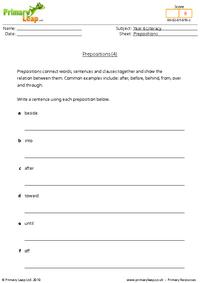
This worksheet includes six prepositions. Prepositions connect words, sentences, and clauses together and show the relation between them. Common examples include: after, before, behind, from, over, and through. Students must write a sentence using each proposition.
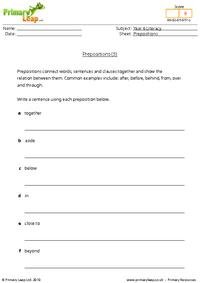
This worksheet includes six prepositions. Prepositions connect words, sentences, and clauses together and show the relation between them. Common examples include: after, before, behind, from, over, and through. Students must write a sentence using each proposition.
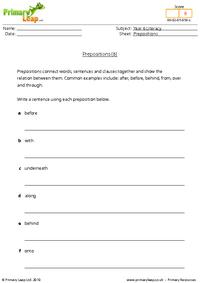
This worksheet includes six prepositions. Prepositions connect words, sentences, and clauses together and show the relation between them. Common examples include: after, before, behind, from, over, and through. Students must write a sentence using each proposition.
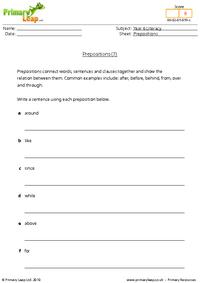
This worksheet includes six prepositions. Prepositions connect words, sentences, and clauses together and show the relation between them. Common examples include: after, before, behind, from, over, and through. Students must write a sentence using each proposition.
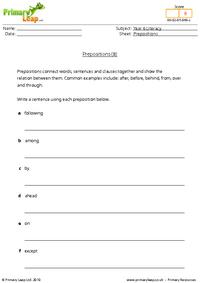
This worksheet includes six prepositions. Prepositions connect words, sentences, and clauses together and show the relation between them. Common examples include: after, before, behind, from, over, and through. Students must write a sentence using each proposition.
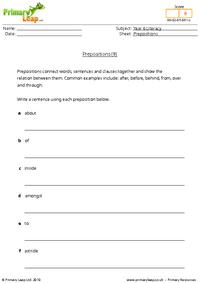
This worksheet includes six prepositions. Prepositions connect words, sentences, and clauses together and show the relation between them. Common examples include: after, before, behind, from, over, and through. Students must write a sentence using each proposition.
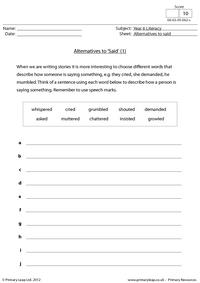
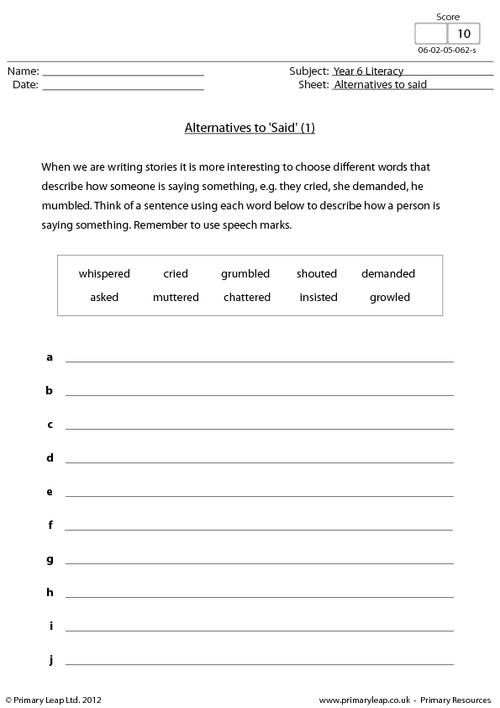
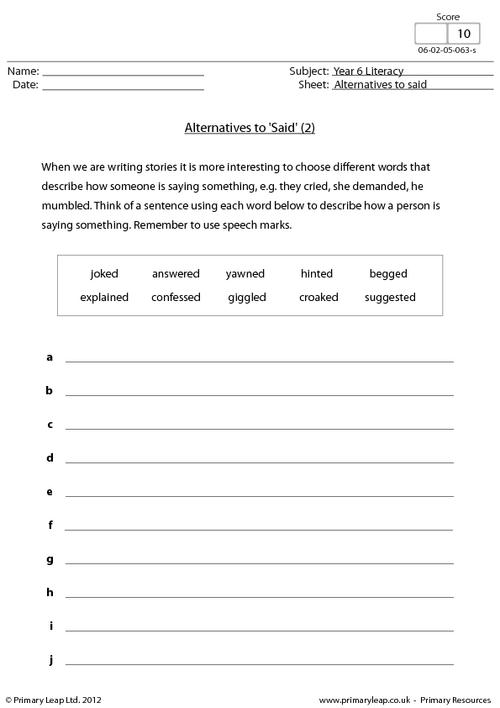
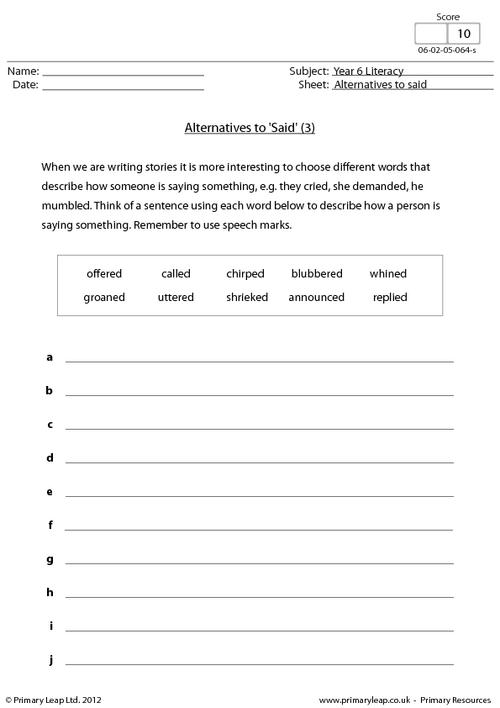
When we are writing stories it is more interesting to choose different words that describe how someone is saying something e.g. they cried, she demanded, he mumbled etc. Students think of a sentence using each word to describe how a person is saying something. Remember to use speech marks!
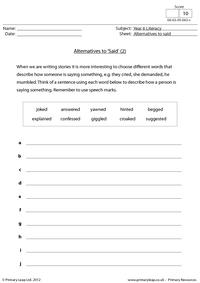
When we are writing stories it is more interesting to choose different words that describe how someone is saying something e.g. they cried, she demanded, he mumbled etc. Students think of a sentence using each word to describe how a person is saying something. Remember to use speech marks!
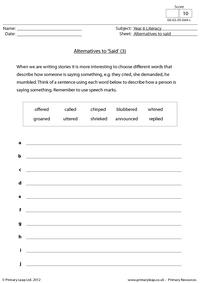
When we are writing stories it is more interesting to choose different words that describe how someone is saying something e.g. they cried, she demanded, he mumbled etc. Students think of a sentence using each word to describe how a person is saying something. Remember to use speech marks!
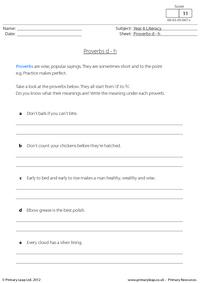
A year 6 literacy sheet with 11 proverbs. Find their meanings.
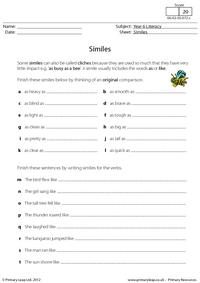
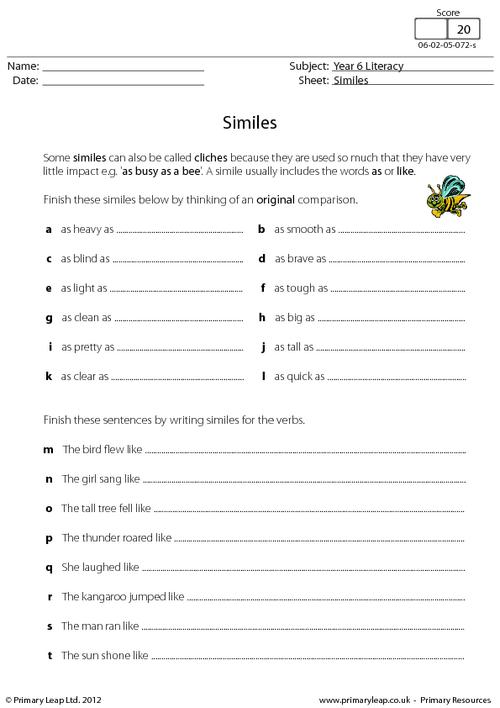
Some similes can also be called cliches because they are used so much that they have very little impact e.g. 'as busy as a bee'. A simile usually includes the words as or like. This worksheet asks children to think of their own original similes.
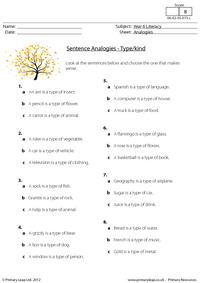
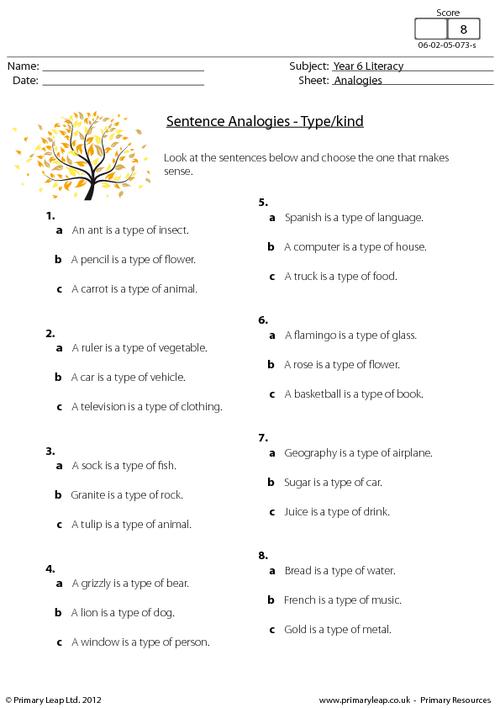
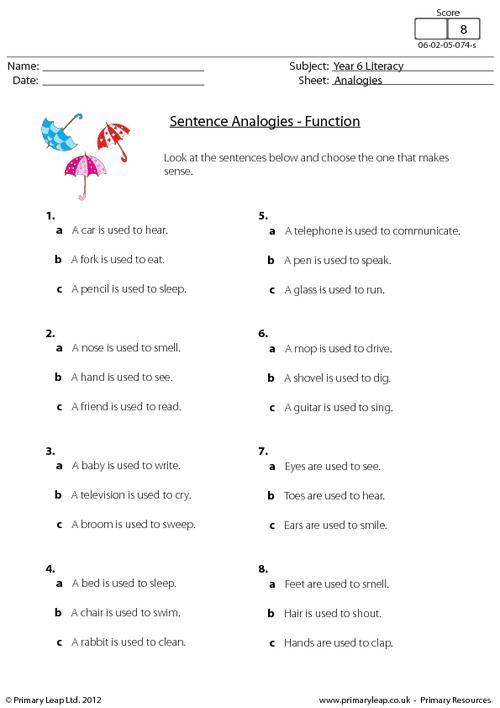
Year 6 English - Sentence analogies. Look at the sentences and choose the one that makes sense.
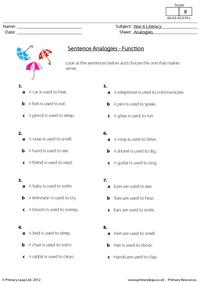
Year 6 English - Sentence analogies. Look at the sentences and choose the one that makes sense.
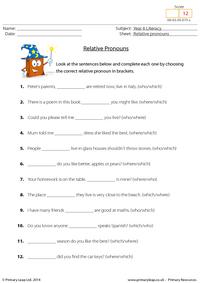
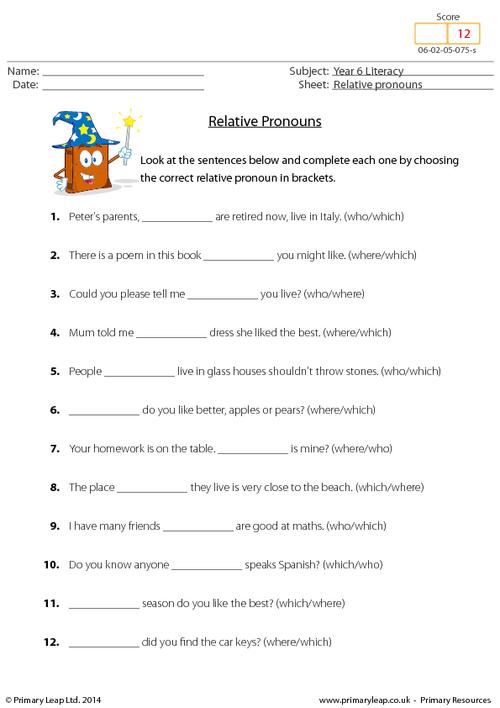
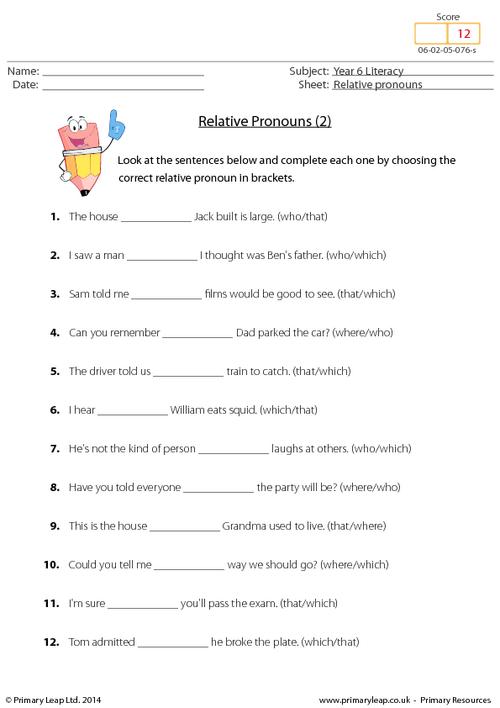
Year 6 English - The most common relative pronouns are who/whom, whoever/whomever, whose, that, and which. Students are asked to read the sentences and choose the correct relative pronoun in brackets.
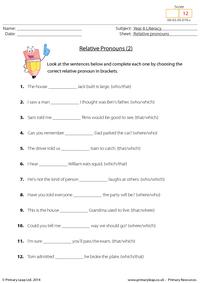
Year 6 English - Students are asked to read the sentences and choose the correct relative pronoun in brackets.
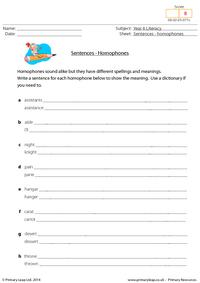
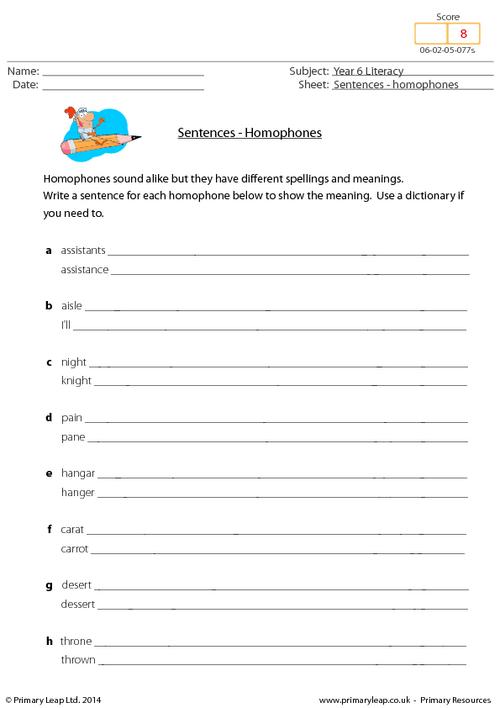
Homophones are words that sound the same but they have different spellings and different meanings. Check if your students know the meaning of each of these words. This worksheet includes eight homophones with different spellings
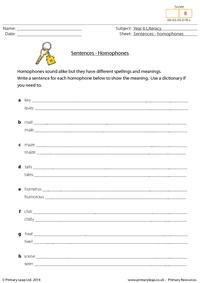
Homophones are words that sound the same but they have different spellings and different meanings. Check if your students know the meaning of each of these words. This worksheet includes eight homophones with different spellings.
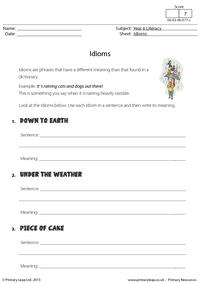
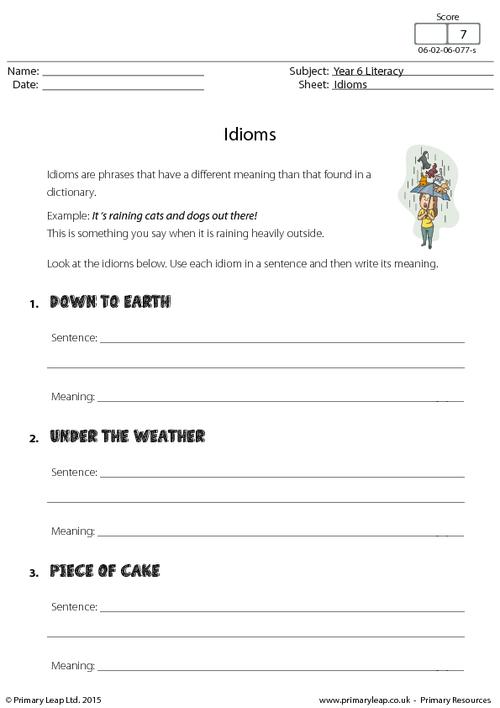
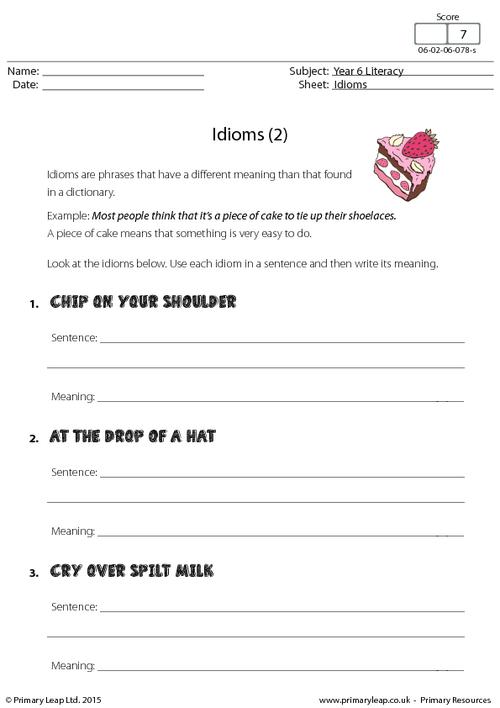
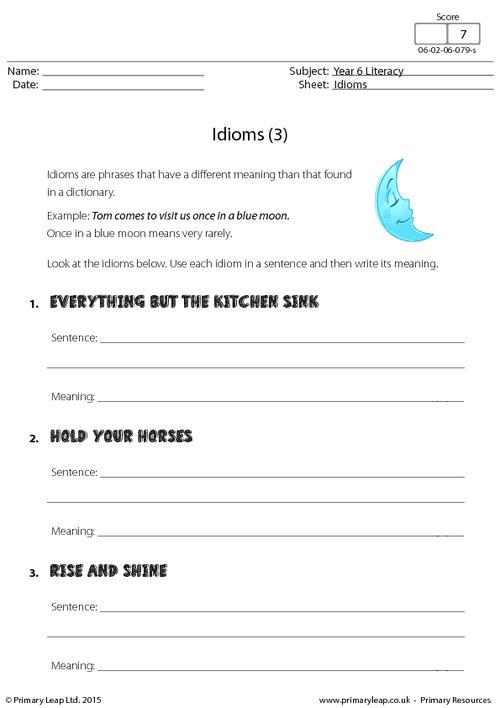
Idioms are phrases that have a different meaning than that found in a dictionary.Students are asked to use each idiom in a sentence and then write its meaning. There are 7 idioms included in this worksheet.
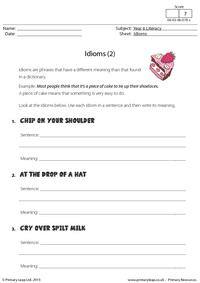
Idioms are phrases that have a different meaning than that found in a dictionary.Students are asked to use each idiom in a sentence and then write its meaning. There are 7 idioms included in this worksheet.
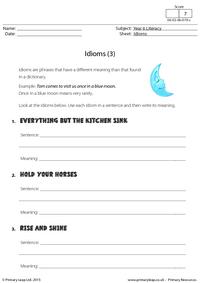
Idioms are phrases that have a different meaning than that found in a dictionary.Students are asked to use each idiom in a sentence and then write its meaning. There are 7 idioms included in this worksheet.
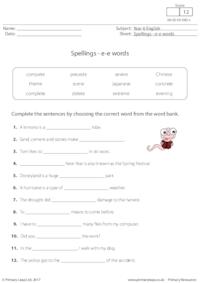
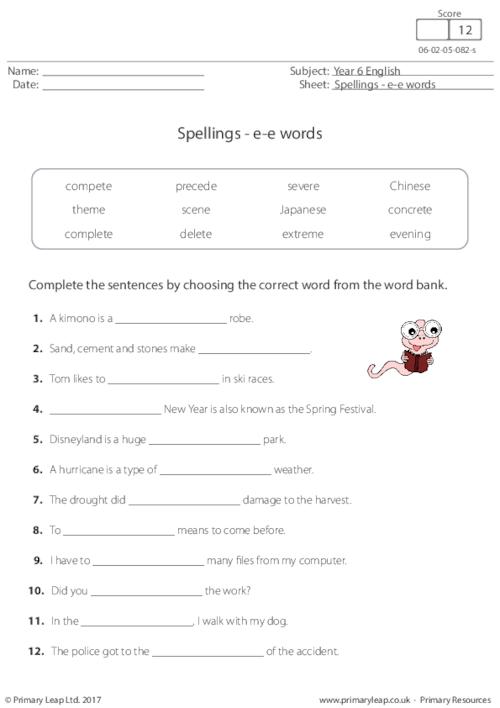
Spellings - e-e words - This English worksheet asks students to complete the sentences by choosing the correct e-e word from the word bank.
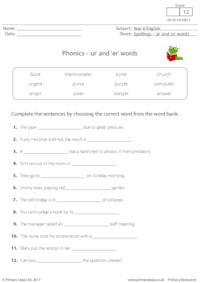
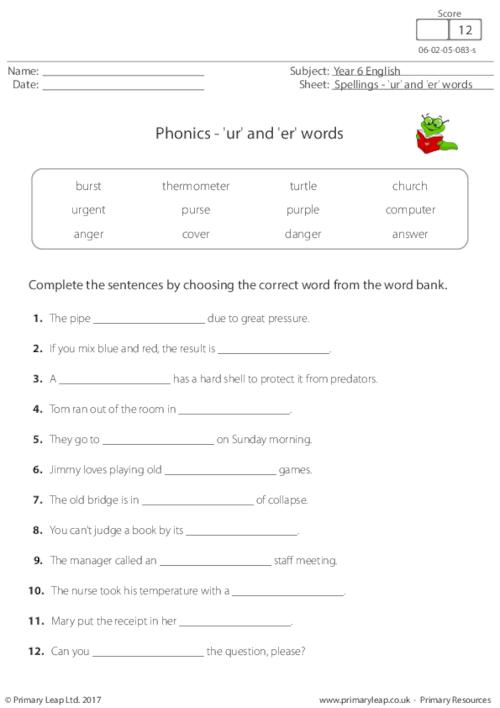
This English worksheet asks students to complete the sentences by choosing the correct word from the word bank.
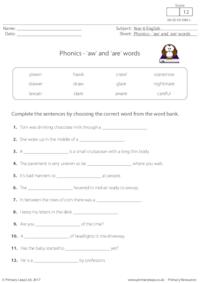
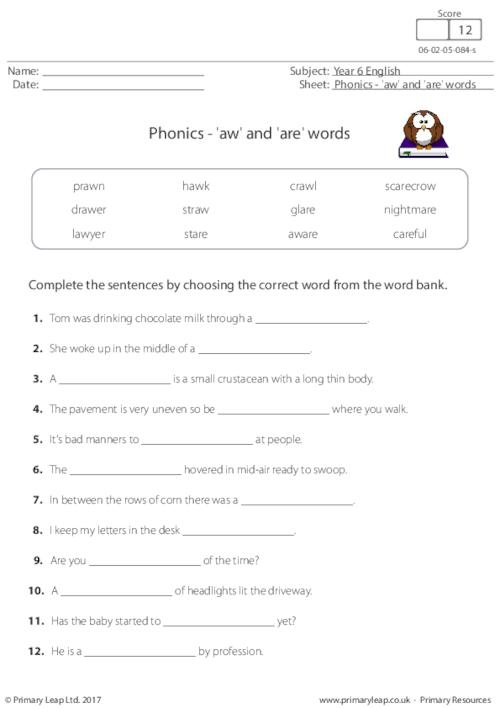
This English worksheet asks students to complete the sentences by choosing the correct word from the word bank. This resource focuses on the phonics 'aw' and 'are'.
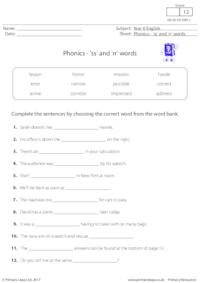
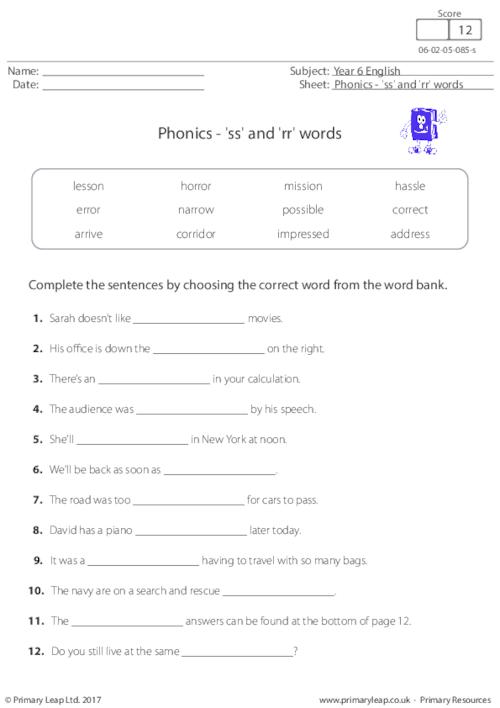
This English worksheet asks students to complete the sentences by choosing the correct word from the word bank. This resource focuses on the phonics 'ss' and 'rr'.
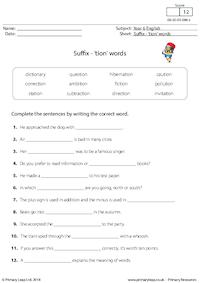
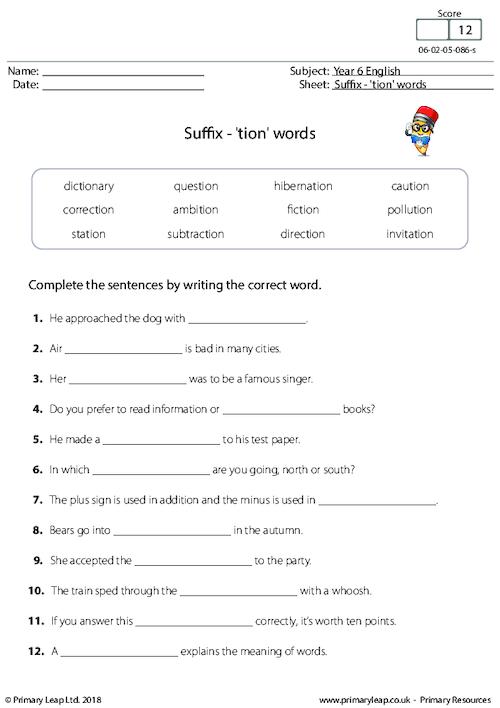
A suffix is a phonetic unit that is placed after a root word. This English resource focuses on the suffix: tion. Students complete the sentences by writing the correct word.
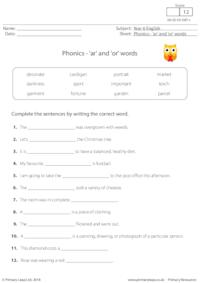
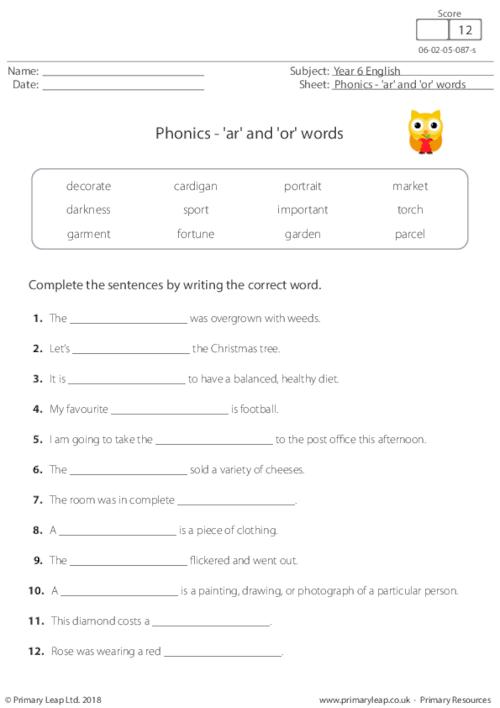
This English worksheet asks students to complete the sentences by choosing the correct word from the word bank. This resource focuses on the phonics 'ar' and 'or'.
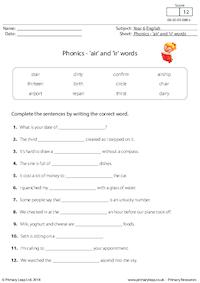
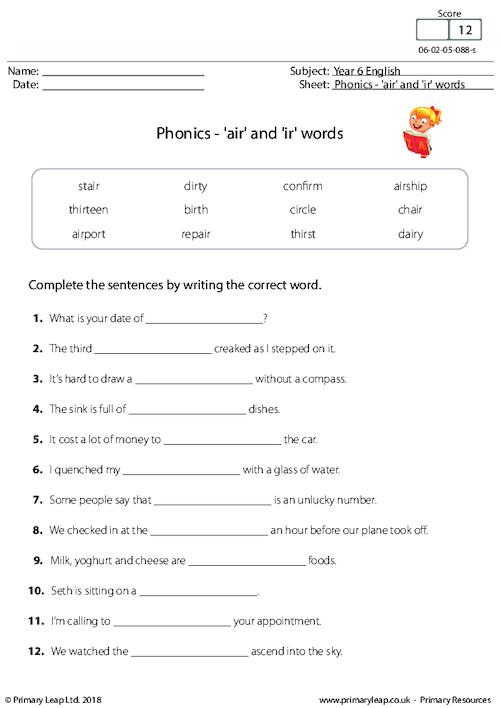
This English worksheet asks students to complete the sentences by choosing the correct word from the word bank. This resource focuses on the phonics 'air' and 'ir'.
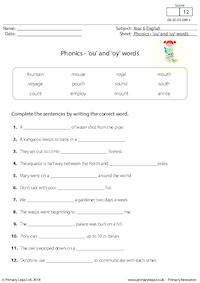
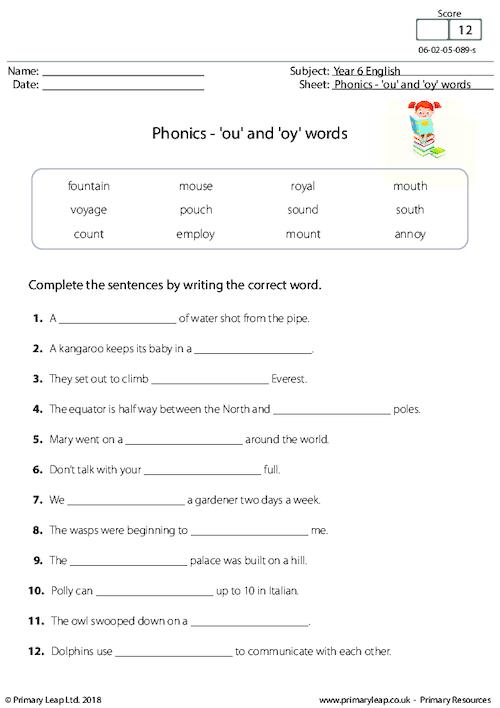
This English worksheet asks students to complete the sentences by choosing the correct word from the word bank. This resource focuses on the phonics 'ou' and 'oy'.
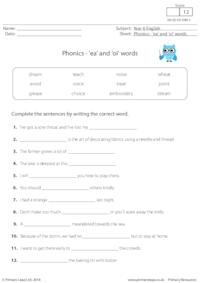
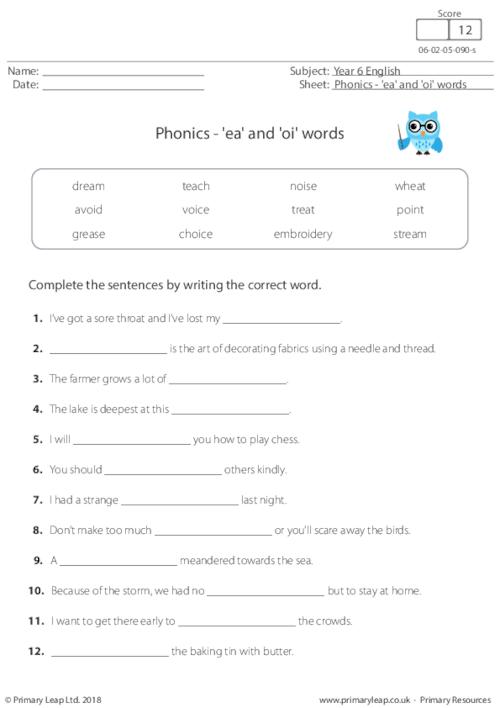
This English worksheet asks students to complete the sentences by choosing the correct word from the word bank. This resource focuses on the phonics 'ea' and 'oi'.
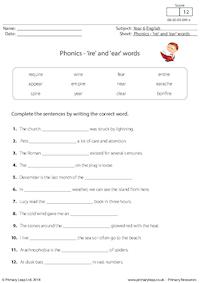
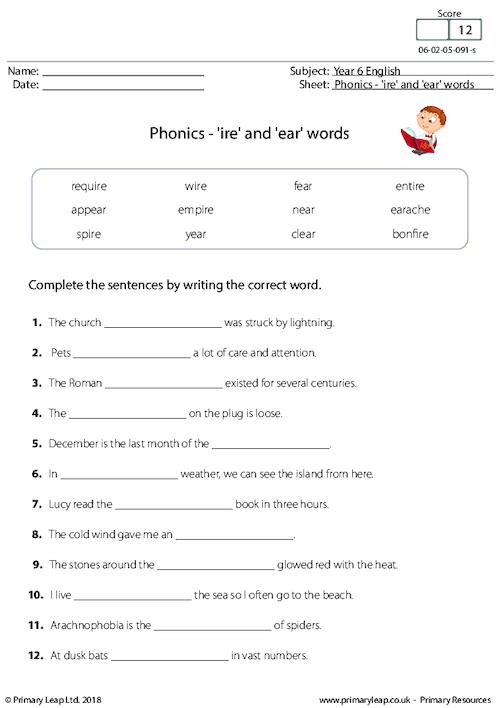
This English worksheet asks students to complete the sentences by choosing the correct word from the word bank. This resource focuses on the phonics 'ire' and 'ear'.
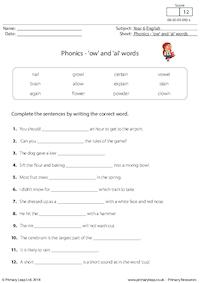
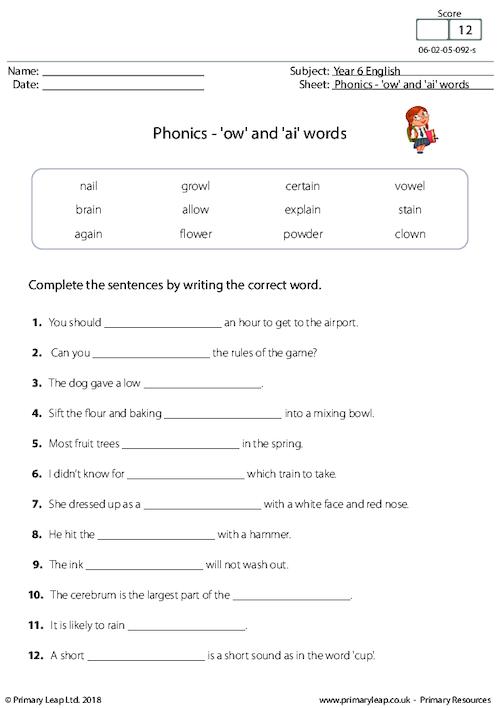
This English worksheet asks students to complete the sentences by choosing the correct word from the word bank. This resource focuses on the phonics 'ow' and 'ai'.
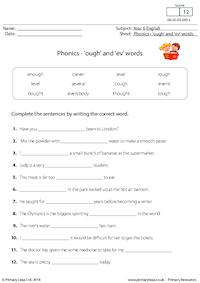
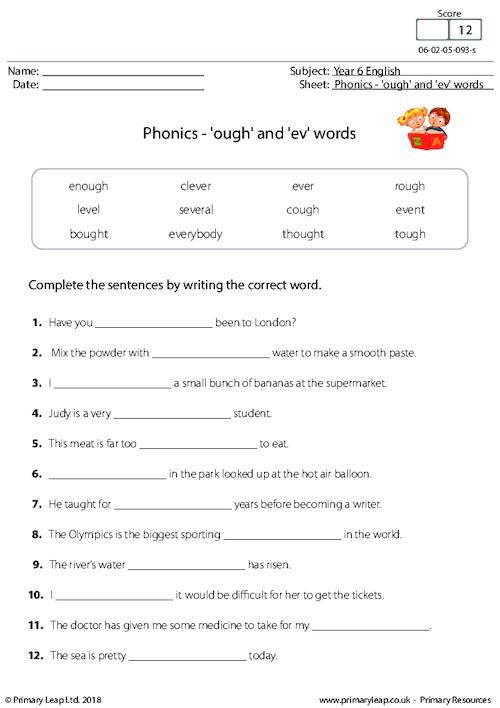
This English worksheet asks students to complete the sentences by choosing the correct word from the word bank. This resource focuses on the phonics 'ough' and 'ev'.
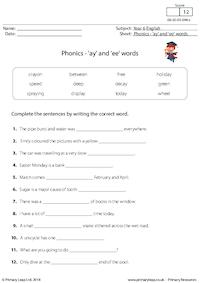
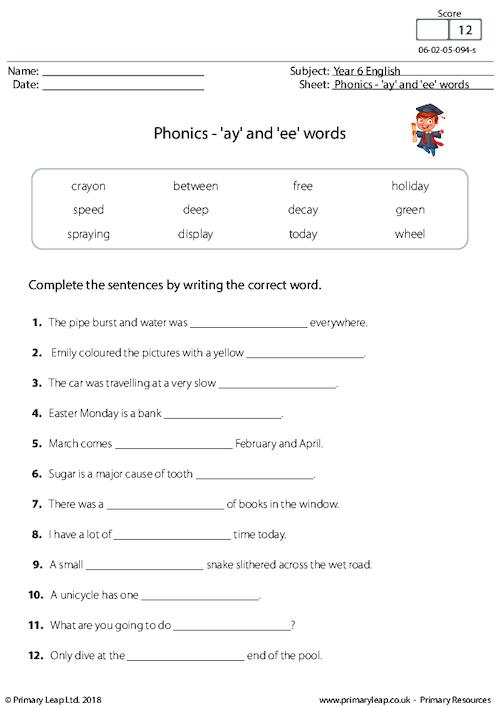
This English worksheet asks students to complete the sentences by choosing the correct word from the word bank. This resource focuses on the phonics 'ay' and 'ee'.
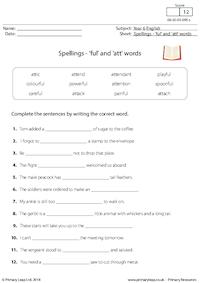
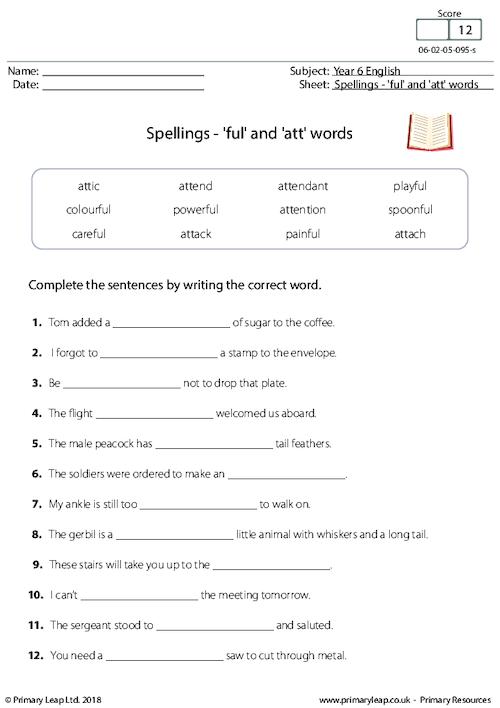
This English worksheet asks students to complete the sentences by choosing the correct word from the word bank. This resource focuses on words with 'ful' and 'att'.
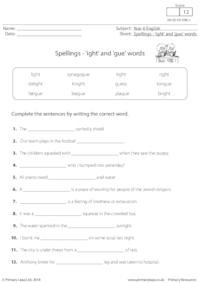
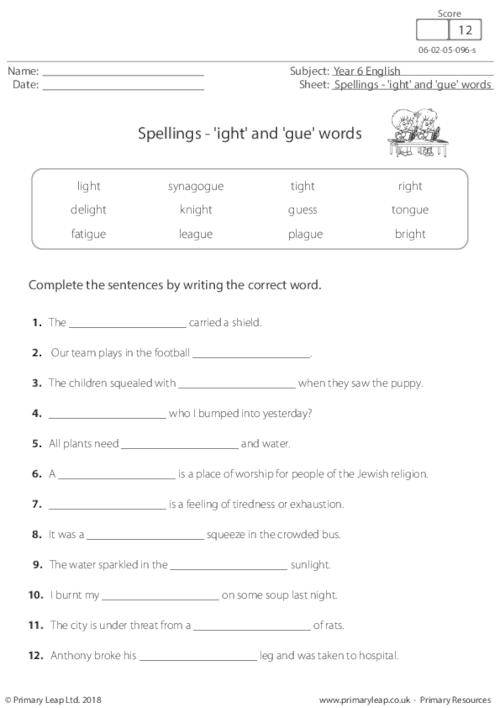
This English worksheet asks students to complete the sentences by choosing the correct word from the word bank. This resource focuses on words with 'ight' and 'gue'.
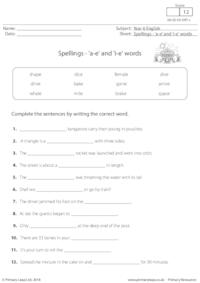
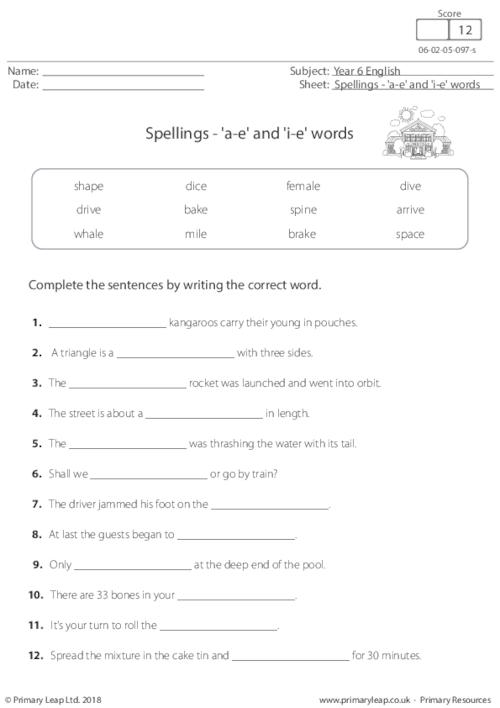
This English worksheet asks students to complete the sentences by choosing the correct word from the word bank. This resource focuses on words with 'a-e' and 'i-e'.
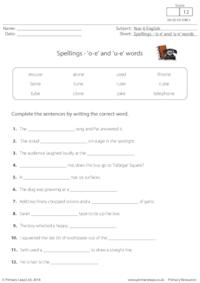
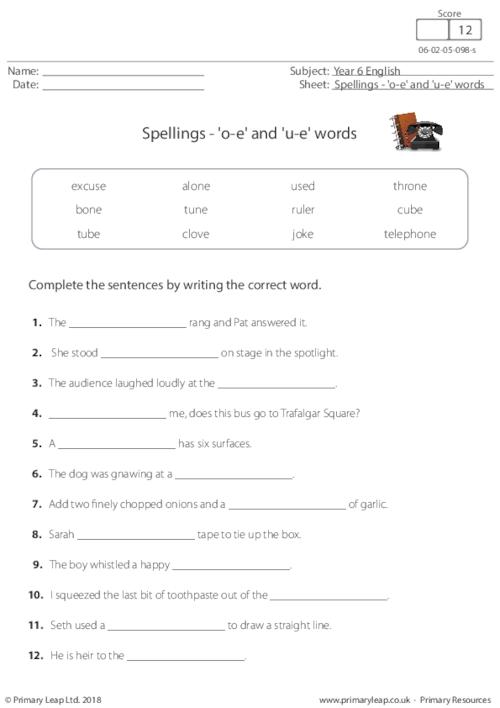
This English worksheet asks students to complete the sentences by choosing the correct word from the word bank. This resource focuses on words with 'o-e' and 'u-e'.

An active voice is when the subject of the sentence is performing the act. A passive voice is when the subject of the sentence is having something done to it by somebody else. Often the word 'by' is used, but not always. This English worksheet asks students to write 'active' or 'passive' after each sentence.


An email has been sent to your account please activate your account to continue.
An email has been sent to your account please activate your account to continue.

Select your Account Type
COVID-19 Parent Relief 60% OFF for 6 months I'm a Parent Add up to 6 childrenDeals starting from 60%* OFF for the next 12 months.
PrimaryLeap is supporting parents and teachers through the next school year with deals starting from 60% OFF for 12 months. We've got you covered this year!

PrimaryLeap has introduced a new interactive learning platform and would like to offer you a completely Free Upgrade.
We understand that you may only want to use our services for worksheets and may not want to upgrade your account.
But if you are interested in trying out our new services then you're just a click away.

You've answered
and have 2 Questions remaining
Well done! You've earned
from mining this Level Asteroid!

Import multiple students information through a CSV File. Browse or drag .CSV file below.